The right POTS clinic depends on what you need next: a diagnosis, ongoing medication care, a structured exercise plan, or concentrated in-person rehabilitation. In a large survey of people with POTS (4,835 participants), diagnosis took an average of 4.9 years, and people saw about seven physicians along the way (Shaw et al., 2019). This guide compares the main types of POTS care in the US, what each does well, where each falls short, and what to ask before you book.
Weighing an in-person program? Our 5-day option is summarized below. If you have questions first, call (385) 375-8590 to ask us directly.
Choosing where to get POTS care
Facing a long wait, or not sure where to go next?
Cognitive FX runs a 5-day in-person POTS program in Provo, Utah. Tell us about your symptoms, and on a free video consult we will tell you honestly whether our program or another option in this guide fits you better.
5 daysin person, with 4 to 6 hour treatment days
$4,500CareCredit, or HSA or FSA if your plan allows
Starts with our POTS intake form, then you pick a time for a 15 to 30 minute video call. Consults are usually available within 1 to 2 weeks. Prefer to talk? Call (385) 375-8590.
What kind of doctor treats POTS?
There is no separate medical specialty called "POTS specialist." The term usually means a doctor who focuses on the autonomic nervous system, which runs heart rate, blood pressure, digestion and sweating automatically. Most often that is one of these:
Cardiologist, often a heart rhythm specialist. Rules out other heart problems, runs tilt table tests and manages medication.
Neurologist with autonomic training. Runs autonomic function tests and looks for nerve-related causes such as small fiber neuropathy (damage to tiny nerves that control blood vessels and sweating).
Primary care doctor, the usual first step: a standing test, basic labs, salt and fluid advice and a referral.
Experience with POTS matters more than the specialty name. For a side-by-side of the two main specialties, read POTS specialists: neurologists vs. cardiologists. This guide focuses on choosing the clinic or program.
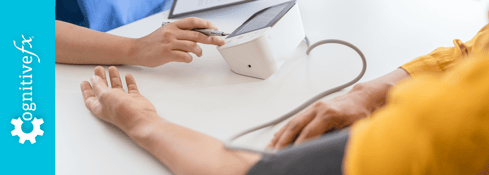
Whoever you see, the diagnosis rests on the same finding: a sustained heart-rate rise of at least 30 beats per minute (40 for ages 12 to 19) within 10 minutes of standing or tilting upright, without a significant drop in blood pressure (Thijs et al., 2021). Our guide on how POTS is diagnosed walks through the tests.
What are the main types of POTS care in the US?
POTS clinics and treatment centers in the US fall into five main types: academic autonomic clinics, local cardiology or neurology specialists, structured exercise programs, cash-pay intensive programs and telehealth. The guide below matches each to where you are now; the sections after it explain each one.
Which type of POTS care fits your next step?
Start from where you are today. Many people use more than one of these over time.
If this is youStart withWhy
If this is you
You have symptoms when you stand but no diagnosis yet
Start with
Your primary care doctor, then a cardiologist, neurologist or autonomic clinic that runs tilt or stand tests
Why
POTS is diagnosed by a heart-rate rise of at least 30 bpm (40 bpm ages 12 to 19) within 10 minutes of standing, without a drop in blood pressure
If this is you
You are diagnosed and need medication changes or regular follow-up
Start with
A local cardiology or neurology specialist, or an academic autonomic clinic
Why
POTS is usually long-term care. A doctor you can see again matters more than a famous name
If this is you
You are diagnosed and ready to train on your own for several months
Start with
A structured exercise program (Levine/Dallas or the CHOP modified plan), ideally with a physical therapist
Why
Published studies support these plans. The CHOP plan keeps workouts lying down or seated for the first 3 to 4 months
If this is you
You want concentrated, supervised, in-person rehab and can travel
Start with
A cash-pay intensive program (for example, Cognitive FX: 5 days in Provo, Utah, ages 16 and up)
Why
Many hours of monitored work in a short window, then a home program. Keep your regular doctor involved
If this is you
You cannot travel, or no specialist is near you
Start with
Telehealth with a clinician who can see patients in your state, plus local testing
Why
Good for history, medication review and coaching. Tilt testing still has to happen in person
If this is you
Your child is under 16
Start with
Your pediatrician and a pediatric POTS or autonomic clinic
Why
Teen criteria differ, and pediatric teams often add psychology and family support
See a doctor first if you faint and get hurt, have chest pain with exertion, have known heart disease, or have new symptoms no one has explained.
A decision guide to the main types of POTS care in the US, matched to where you are now. For general education, not medical advice. Sources: Thijs RD, et al. Clin Auton Res 2021 (PMID 33740206); Fu Q, et al. J Am Coll Cardiol 2010 (PMID 20579544); CHOP Modified Dallas POTS Exercise Program; Cognitive FX program details, October 2026.
Academic autonomic and dysautonomia clinics
These university hospital clinics treat patients and run research. They suit a hard diagnosis, unusual test results or a complicated mix of conditions. Examples, with what each says on its own website:
Vanderbilt Autonomic Dysfunction Center (Nashville). Established in 1978, it lists POTS among the disorders it treats and offers "comprehensive testing, diagnosis, and individualized treatment" from an outpatient clinic in the Vanderbilt Heart Clinic (VUMC).
Mayo Clinic Adolescent Autonomic Dysfunction Clinic. Sees teenagers. The evaluation may include lab work and autonomic testing with a tilt table test, and Mayo says it usually takes a few days to finish the evaluation and build a plan (Mayo Clinic).
CHOP Acquired Autonomic Dysfunction Program (Philadelphia). Treats children and teens. The team includes doctors, nurses, physical therapists and psychologists, and plans may include an exercise program and coping skills (CHOP).
Johns Hopkins POTS Program (Baltimore area). When we checked its page in October 2026, it said it was not accepting new patients, that its wait list was at capacity, and it pointed people to Dysautonomia International to find a provider (Johns Hopkins).
The trade-off is access: demand is high, many centers want a doctor's referral, and you may need to travel. Availability changes, so call and ask.
Cardiology or neurology specialists near you
A community cardiologist or neurologist with POTS experience is where most people get ongoing care. The strength is continuity: the same doctor adjusts medications, repeats tests and sees you again in three months. The limit is time. Short visits leave little room for hands-on help with exercise or daily function, though the basics they prescribe (salt, fluids, compression, medication) help many people and belong in almost every plan.
Structured exercise programs (Levine/Dallas and CHOP)
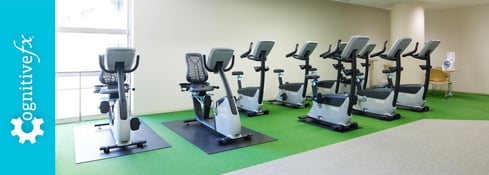
Graded exercise is one of the best-studied non-drug treatments for POTS. In the original Dallas study, 25 people started a 3-month program, 19 finished, and 10 of those 19 no longer met POTS criteria afterward (Fu et al., 2010). In a later registry, 251 people enrolled, 103 finished, and 71% of finishers no longer met criteria (George et al., 2016). In a 6-month at-home program, 23% of people who trained still met heart-rate criteria afterward, compared with 93% of people who chose not to take part (Gibbons et al., 2021). Participants were not randomly assigned, so the groups may have differed from the start.
The CHOP modified Dallas plan uses eight monthly calendars. Workouts stay horizontal or seated (recumbent bike, rowing, swimming) for the first 3 to 4 months, and CHOP notes many patients follow it on their own or with a trainer or physical therapist (CHOP program packet).
The plans themselves are free; your costs are gym access and any physical therapy visits. They take months, and in the studies above a sizable share of people did not finish. Early workouts can bring on symptoms; a physical therapist who knows POTS can help you pace them. See our guides to exercise programs for POTS and physical therapy for POTS.
Cash-pay intensive programs
A few clinics, including Cognitive FX, run short in-person programs: several hours of therapy a day for a few days, then a home program. You get many hours of monitored work in one week, with staff adjusting as your heart rate and blood pressure respond. The trade-offs are travel, time off and an out-of-pocket cost, though some programs offer financing. At Cognitive FX, the 5-day program is $4,500, and you can pay by credit card, finance through CareCredit, or use an HSA or FSA if your plan allows. Travel and lodging are not included. Programs vary, so compare testing, hours, supervision and follow-up rather than the label.
Telehealth
Video visits help when no specialist is near you. A telehealth clinician can take a history, review home heart-rate logs, adjust medications and coach lifestyle changes. Tilt testing still needs an in-person lab, and clinicians usually must be licensed in your state, so ask first. Our free POTS symptom tracker makes any remote visit more useful.
How do the options compare?
Types of POTS care in the US at a glance
Option type
What it does well
Trade-offs
What to ask
Academic autonomic clinic
Full autonomic testing, complex or unclear cases, research access
High demand, referrals often required, travel for many patients
Are you taking new patients? Do I need a referral? Who handles follow-up after the first visit?
Local cardiology or neurology specialist
Ongoing care close to home, medication management, repeat testing
Short visits; POTS experience varies widely between doctors
How many POTS patients do you see? Do you do tilt or active stand testing in-house?
Structured exercise program (Levine/Dallas, CHOP)
Among the best-studied non-drug options, low cost, done at home or a gym
Takes months; symptoms can flare early; many people stop before finishing
Who will set my heart-rate zones? Can a physical therapist check in with me?
Cash-pay intensive program
Many supervised hours in a short window, hands-on adjustment, a home program to continue
Travel and time off, out-of-pocket cost, programs vary in content
What does each day include? Who monitors me? What happens after I go home?
Telehealth
Access from anywhere, medication review, coaching between visits
No in-person testing; state licensing limits who can see you
Can you see patients in my state? Where would I get tilt testing done?
Most people combine options: a diagnosis from a specialist, everyday care from a local doctor, then an exercise or intensive program on top.
Is an intensive program worth a look?
An intensive program may make sense if:
The specialists near you have long waits, or the clinic you wanted is not taking new patients.
You tried a home exercise plan and found it hard to keep going on your own.
Early workouts brought on symptoms, and you want someone to pace them with you.
You want many hours of supervised, monitored work in one week, then a home program to keep going.
Not sure an intensive program is the right next step? Ask us on a free video consult.
How will we measure progress (standing heart rate, symptom scores, hours upright, return to school or work)?
What does follow-up look like, and will you work with my current doctors?
What is the total cost of the first visit, testing and treatment, and what payment options do you accept?
For teens: what ages do you see, and can a parent attend sessions?
Be wary of any clinic that promises a cure, quotes a success rate without saying where the number comes from, or tells you to stop medications on your own. Our article on whether there is a cure for POTS covers what the research does and doesn't support.
Want to ask us these questions? Start your POTS intake and bring them to the free consult. Our own answers are further down.
How do you find a POTS specialist near you?
Ask your primary care doctor for a referral to a cardiologist or neurologist who sees autonomic patients and does tilt testing.
Contact Dysautonomia International, a patient advocacy group. When we checked in October 2026, Johns Hopkins was pointing new patients there while its own program was full.
Check the nearest university hospital for an autonomic, dysautonomia or syncope clinic. Searching "dysautonomia specialist" often finds the same doctors.
Bring data. A week of lying and standing heart rates plus symptoms helps any doctor. Our POTS self-assessment quiz can help you organize them.
The long road to a POTS diagnosis
If you have been passed from doctor to doctor, you are not alone
First doctor visitthen visit after visit
Diagnosisabout 4.9 years later
4.9 yearsaverage time from first seeing a doctor to a POTS diagnosis
About 7doctors seen before getting diagnosed
77%were told their symptoms were psychiatric or psychological before diagnosis
You do not need a diagnosis to talk with us. Day 1 of our program includes autonomic testing, including a tilt table test.
Survey of 4,835 people with POTS: Shaw BH et al., J Intern Med 2019 (PMID 30861229).
Getting a second opinion is normal. If a doctor dismisses your symptoms, you can look elsewhere. Our article on why POTS is often misdiagnosed as anxiety explains how to make your case.
What does the Cognitive FX POTS program in Provo, Utah, involve?
Our POTS program in Provo, Utah, grew out of treating post-concussion patients who also had POTS symptoms, and we now treat POTS patients frequently. Our program is built on the idea that POTS involves how the nervous system adjusts heart rate and blood flow when you stand. So along with the usual tools, we train that adjustment directly.
Your week in Provo
What the 5 days look like
Day 1EvaluationTilt table test, vestibular, cranial nerve and breathing checks. If you arrive early, we can work in an fMRI brain scan.
Days 2 to 5Treatment, 4 to 6 hours a day
Day 2
Day 3
Day 4
Day 5
Breathing retraining aimed at how your body handles carbon dioxide, NeuroCardio Training (supervised interval training with heart-rate monitoring, focused on recovery between efforts) and the Cranial Nerve Stack, a short morning routine you do before getting out of bed.
Breathing retraining
Cranial Nerve Stack
NeuroCardio Training
Vestibular and vision
Isometric training
Relaxation training
After you leaveHome programA written plan to keep going at home, with Zoom follow-ups as needed.
Every exercise session is supervised with heart rate and blood pressure monitors. Salt, fluids, compression and your prescribed medications stay in your plan.
Your care team in Provo
The people who will treat you
Dr. Alina K. Fong, PhDClinical Director
Dr. Lynn M. Gaufin, MDDirector of Neurosurgery
Sotero Perigo, MS, ATCNeuroMuscular Therapist
Annie Morgan, RNDirector of Patient Care
Plus neuro-occupational therapists and speech-language pathologists as needed. Meet the full team
Research on breathing in POTS is early. In one lab study of 30 people with POTS, slow breathing (6 breaths a minute) during a single tilt test lowered the heart-rate rise by about 7 beats per minute and eased symptoms (Stick et al., 2024). That study tested one session of slow breathing, not our program.
Our answers to the checklist
Diagnose or treat: we treat. A diagnosis helps but is not required. Diagnosing POTS is not our specialty, but the Day 1 evaluation includes autonomic testing, including a tilt table test, and we can help with the diagnostic process.
Who you see: the clinicians shown above, plus other therapists as needed. We treat POTS patients frequently, though not every week.
Wait for a start date: usually 1 to 2 weeks to get a free consult, and start dates are usually booked one to two months out.
If you feel faint during a session: staff have you lie down and help you recover with breathing work and extra fluids.
If you are very limited: sessions are paced to your abilities, with a lot of time spent preparing for activity and recovering from it.
How we measure progress: a clinical checklist, heart rate, and how well you tolerate different kinds of stimulation.
Follow-up and your doctors: a written home program and Zoom follow-ups as needed. If you give us your doctor's contact information and sign an authorization, we send them a summary package.
Cost: $4,500. Credit card, CareCredit financing, or HSA or FSA if your plan allows. Travel and lodging are not included.
Ages and family: 16 and up. Parents can attend or be present for most therapies. Patients under 18 must have a parent or guardian with them for the whole week.
You can travel to Provo for five days and the cost works for your budget.
Another option may serve you better if:
Your child is under 16. Start with your pediatrician and a pediatric POTS clinic.
You mainly need a complex diagnostic workup (an academic autonomic clinic) or regular medication adjustment (a cardiologist or neurologist you can see often).
You are making steady progress on a home exercise program. Keep going.
You cannot travel or take five days away. A local specialist, a POTS-savvy physical therapist or telehealth fits better for now.
Light activity leaves you crashed for days afterward (post-exertional malaise). Call us at (385) 375-8590 before booking a consult so we can talk it through first.
See your doctor first if you have fainted and been injured, have chest pain with exertion, have known heart disease, or have new symptoms no one has explained. Those need a medical evaluation before any exercise-based program, including ours.
Frequently asked questions about POTS clinics
Where can I get tested for POTS?
Start with your primary care doctor, who can do a 10-minute active stand test. For a formal tilt table test or other autonomic testing, you will usually need a referral to a cardiologist, a neurologist with autonomic training or an academic autonomic clinic.
How do I find a POTS specialist near me?
Ask your primary care doctor for a referral to a cardiologist or neurologist who sees autonomic patients, check the nearest university hospital for an autonomic clinic, and contact Dysautonomia International for provider suggestions. Call to confirm the doctor sees POTS patients and is taking new ones.
Do I need a POTS diagnosis before going to a POTS clinic?
It depends on the clinic. Specialists and academic autonomic clinics can make the diagnosis. At Cognitive FX, a diagnosis helps but is not required. Diagnosing POTS is not our specialty, but our Day 1 evaluation includes autonomic testing and we can help with the diagnostic process.
What happens on the free consult?
After you finish the intake form, you pick a time for a free 15 to 30 minute video call on Zoom. Our team goes over your symptoms, tests and treatment so far, answers your questions about cost, travel and safety, and tells you whether we think the 5-day program is a good fit. You can also call (385) 375-8590.
How much does POTS treatment cost at Cognitive FX?
The Cognitive FX POTS program costs $4,500 for five days in Provo, Utah. You can pay by credit card, finance through CareCredit, or use an HSA or FSA if your plan allows. Travel and lodging are not included. Costs elsewhere vary, so ask each clinic for its total cost.
Your next step
Talk with our team before you decide
Tell us your storyOur POTS intake form asks about your symptoms, tests and treatment so far.
Free video consult15 to 30 minutes with our team. Consults are usually available within 1 to 2 weeks.
Pick a start dateProgram dates are usually booked one to two months out.
5 days in ProvoThen a home program, with Zoom follow-ups as needed.
Questions first? Call (385) 375-8590. A parent or guardian must come with any patient under 18.
Sources
Shaw BH, et al. The face of postural tachycardia syndrome: insights from a large cross-sectional online community-based survey. J Intern Med. 2019;286(4):438-448. PMID 30861229
Thijs RD, et al. Recommendations for tilt table testing and other provocative cardiovascular autonomic tests in conditions that may cause transient loss of consciousness. Clin Auton Res. 2021;31(3):369-384. PMID 33740206
Fu Q, et al. Cardiac origins of the postural orthostatic tachycardia syndrome. J Am Coll Cardiol. 2010;55(25):2858-2868. PMID 20579544
George SA, et al. The international POTS registry: evaluating the efficacy of an exercise training intervention in a community setting. Heart Rhythm. 2016;13(4):943-950. PMID 26690066
Gibbons CH, Silva G, Freeman R. Cardiovascular exercise as a treatment of postural orthostatic tachycardia syndrome: a pragmatic treatment trial. Heart Rhythm. 2021;18(8):1361-1368. PMID 33482385
Stick M, et al. Deep abdominal breathing reduces heart rate and symptoms during orthostatic challenge in patients with postural orthostatic tachycardia syndrome. Eur J Neurol. 2024;31(10):e16402. PMID 38962840
Children's Hospital of Philadelphia. Instructions for POTS Exercise Program (CHOP Modified Dallas POTS Exercise Program). PDF
Children's Hospital of Philadelphia. Acquired Autonomic Dysfunction Program. chop.edu (accessed October 2026)
Andy is a Certified Athletic Trainer (ATC) and Z-Health Performance Master Trainer. He began his career in Orthopedics, then worked as Head Athletic Trainer and Director of Human Performance at a specialty physical therapy clinic. Here, his passion for innovative human body approaches ignited. In 2010, he founded Fitness Evolved in Berkeley, CA, focusing on a neurologically informed health and exercise paradigm. Andy mastered the Z-Health Performance Solutions system, creating brain-centric training and rehab at Fitness Evolved, serving diverse clients, including pro athletes and brain injury survivors. He's an accomplished Z-Health instructor, having trained professionals worldwide. Andy is thrilled to join Cognitive FX, contributing to our revolutionary concussion and TBI recovery techniques.
Related Posts
POTS Treatment for Teens: A Parent's Guide | Cognitive FX
Most teens with POTS (postural orthostatic tachycardia syndrome) are treated with a combination of fluids, salt, compression, a gradual exercise plan, school accommodations and, when needed,...
Living with dysautonomia can be overwhelming. Symptoms often appear suddenly and unpredictably. One day you may feel mostly normal; the next, simply standing up triggers dizziness, lightheadedness,...
If you've recently been diagnosed with postural orthostatic tachycardia syndrome (POTS), there's a good chance a doctor has already told you that exercise can help. This advice can feel baffling and...
Yes, a concussion can lead to POTS, and it can also push blood pressure up or down. In a tilt table study of 34 teenagers with lingering concussion symptoms that included lightheadedness, 14 met...
If you've been searching for answers about your racing heart, dizziness, and fatigue, you're probably wondering: how do doctors actually diagnose POTS? The short answer is that Postural Orthostatic...
If you’re experiencing symptoms like dizziness, lightheadedness, fainting, or a racing heart when you stand, your healthcare provider may suspect a form of dysautonomia—including postural orthostatic...