What Causes Headaches?

Headaches can be a tricky symptom to address. They are often one of several symptoms that may present itself after a concussion or traumatic brain injury (TBI). On another hand, headaches are not a...

If you've spent years bouncing between doctors, hearing that your racing heart is "just anxiety," or being told your debilitating fatigue is "all in your head," you're not alone. Patients with POTS often wait years and see multiple physicians before receiving a correct diagnosis. Waiting two years is not unusual, with many patients waiting far longer.
Postural Orthostatic Tachycardia Syndrome affects an estimated 1 to 3 million Americans, yet awareness among healthcare providers remains low. This is one reason why so many patients have to wait years for a diagnosis.This knowledge gap means countless patients suffer with symptoms that have a name, a cause, and treatment options they're never offered.
This guide covers documented POTS symptoms, including the lesser-known signs that frequently get overlooked or attributed to other conditions. We'll also explore something most resources completely ignore: the brain's critical role in POTS and why your cognitive symptoms aren't imaginary.
Note: At Cognitive FX, our 5-day POTS treatment program targets the neurologic dysfunction underlying autonomic dysregulation — not just the cardiovascular symptoms. If you've been struggling with POTS for months or years, schedule a free consultation to see if our approach is right for you.
POTS stands for Postural Orthostatic Tachycardia Syndrome. Let's break that down:
The defining characteristic of POTS is an excessive increase in heart rate when you move from lying down to standing. For adults, this means a jump of 30 or more beats per minute within 10 minutes of standing. For adolescents (ages 12–19), the threshold is 40 beats per minute. Parents can read our guide to POTS in teens.
However, the clinical definition doesn't capture what matters most. POTS is far more than a heart rate problem. It's a disorder of the autonomic nervous system, which controls nearly every involuntary function in your body. That's why POTS can affect your digestion, temperature regulation, bladder function, vision, and yes, your brain.
POTS predominantly affects women, who make up 75–80% of diagnosed cases. Most patients are between 15 and 45 years old, with the average age of symptom onset around 21. However, many patients trace their symptoms back to adolescence, with a typical onset age of 14.
Common triggers for POTS onset include:
Since the COVID-19 pandemic, POTS diagnoses have surged. The incidence rate rose from 1.42 to 20.3 cases per million person-years after the pandemic — a roughly 14-fold increase.
Take a POTS quiz to get a preliminary sense of whether you have POTS and which subtype pattern fits your symptoms. Most patients have more than one subtype.

Let's start with the hallmark symptoms of POTS, the ones most commonly discussed in medical literature and patient resources.
Rapid heart rate upon standing is the signature symptom. When you stand up, your heart rate shoots up dramatically and stays elevated. Some patients see their heart rate climb from 70 beats per minute while lying down to over 120 within minutes of standing.
Heart palpitations are extremely common. You might feel like your heart is pounding, racing, fluttering, or skipping beats. These sensations can be alarming, especially when they seem to come out of nowhere.
Chest pain or discomfort affects many POTS patients. This can feel like pressure, tightness, or sharp pains. While scary, it's typically not related to heart disease but rather to the autonomic dysfunction affecting how your cardiovascular system responds to positional changes.
Lightheadedness and dizziness are nearly universal in POTS. Standing up can make you feel like the room is spinning or like you might pass out. These symptoms often worsen in hot environments, after meals, or during your menstrual period.
Pre-syncope is the medical term for feeling like you're about to faint. You might experience tunnel vision, muffled hearing, weakness, or a sense that you need to sit or lie down immediately.
Syncope (fainting) occurs in some but not all POTS patients. Contrary to what some believe, you don't have to faint to have POTS. Many people with severe POTS never lose consciousness but constantly feel on the verge of it.
Crushing fatigue is one of the most debilitating aspects of POTS. This isn't ordinary tiredness that improves with rest. Many patients describe it as feeling like they're moving through wet cement or like gravity has doubled overnight.
Exercise intolerance makes physical activity extremely difficult. Activities that used to be easy, like climbing stairs or taking a short walk, can trigger severe symptom flares. This creates a frustrating cycle because deconditioning worsens POTS, yet exercise feels impossible.
Here's where this guide differs from what you'll find on other medical websites. The following symptoms are well-documented in research but rarely discussed with patients. Many people don't realize these issues are connected to their POTS until years after diagnosis.
As the autonomic nervous system controls digestion, it’s not surprising that POTS can affect your digestive system. Yet many patients are shocked to learn their stomach issues are related to their heart rate problems.
Nausea affects approximately 86% of POTS patients. For some, it's a constant low-grade queasiness. For others, it strikes suddenly and severely, especially after standing or eating.
Bloating and abdominal distension affect approximately 59% of patients. You may feel very bloated by the end of the day, even if you've eaten very little.
Constipation affects 70% of POTS patients, while others experience diarrhea or alternate between the two. The unpredictability of bowel symptoms adds another layer of difficulty to daily life.
Early satiety, or feeling full after just a few bites, makes it hard to eat adequate calories. Combined with nausea, this can lead to significant weight loss and nutritional deficiencies.
Gastroparesis symptoms, including delayed stomach emptying, affect a number of POTS patients. Food seems to sit in your stomach for hours, causing discomfort, nausea, and sometimes vomiting.
Post-meal worsening is common because digestion diverts blood to your gut. Many POTS patients feel significantly worse after eating, especially after large or carbohydrate-heavy meals.
The autonomic nervous system also regulates bladder function, leading to symptoms that patients often don't connect to POTS.
Frequent urination sends some patients to the bathroom every hour or more. This can be especially problematic at night, disrupting already difficult sleep.
Urgency creates sudden, intense needs to urinate that feel impossible to delay. This can lead to significant anxiety about being away from a restroom.
Difficulty emptying the bladder completely leaves some patients feeling like they need to go again immediately after finishing. This incomplete emptying can also increase the risk of urinary tract infections.
Chronic UTI-like symptoms without actual infection frustrate many patients. Burning, pressure, and discomfort may come and go without any bacterial cause ever being identified.
Your autonomic nervous system controls sweating and blood vessel dilation, which regulate body temperature. When this system malfunctions, staying comfortable becomes surprisingly difficult.
Heat intolerance is extremely common. Hot weather, warm rooms, hot showers, or even mild exertion can trigger severe symptom flares. Many POTS patients structure their entire lives around avoiding heat.
Cold intolerance is common, even in patients who also can't tolerate heat. Extremities may feel painfully cold, and warming up seems to take forever.
Excessive sweating (hyperhidrosis) occurs without explanation. You might drench your clothes during activities that shouldn't cause sweating, or wake up soaked in the middle of the night.
Inability to sweat when needed affects some patients, impairing the body's ability to cool itself and making heat exposure dangerous.
Fluctuating body temperature leaves you feeling too hot one moment and freezing the next, sometimes within minutes.
Poor blood flow regulation causes visible changes that can be quite alarming if you don't know what's happening.
Blood pooling in the legs and feet is common when standing. Your lower extremities may turn reddish-purple, a condition sometimes called dependent acrocyanosis. This happens because blood collects in your legs instead of returning efficiently to your heart.
Facial pallor upon standing occurs as blood drains from your head. You might notice in the mirror that you look ghostly white when symptomatic.
Facial flushing or rash affects about 77% of POTS patients. Your face may turn red, sometimes in a blotchy pattern, possibly due to elevated stress hormones.
Cold hands and feet result from blood vessel constriction in your extremities. Your fingers and toes might be noticeably colder than the rest of your body.
Acrocyanosis, or blue-tinged hands and feet, indicates poor circulation to your extremities. This can occur alongside or independently from the purple pooling in your lower legs.
Chronic pain accompanies POTS more often than many realize.
Coat hanger pain refers to aching in the neck, shoulders, and upper back in a pattern resembling a coat hanger. This distinctive pain pattern results from reduced blood flow to the muscles in these areas when upright. It's a significant symptom that many doctors don't recognize as POTS-related.
Chronic headaches plague many POTS patients. These can be tension-type headaches, migraines with or without aura, or headaches that seem directly linked to positional changes.
Leg pain from standing goes beyond simple tiredness. Your legs might ache, burn, or feel heavy after even brief periods upright.
Widespread body pain leads to many POTS patients receiving additional diagnoses like fibromyalgia. The overlap between these conditions is significant, with 20% of POTS patients meeting fibromyalgia criteria.
Changes in blood flow to your eyes and brain can cause alarming visual symptoms.
Blurred vision often worsens with standing and improves when lying down. The world might seem out of focus or hazy when you're upright.
Difficulty focusing your eyes makes reading or screen work challenging on bad days. Your eyes might feel like they can't quite lock onto what you're looking at.
Light sensitivity (photophobia) forces many patients to wear sunglasses even indoors. Bright lights can trigger headaches and worsen other symptoms.
Tunnel vision occurs when blood flow to your eyes decreases. Your peripheral vision narrows, sometimes dramatically, before slowly returning.
Seeing spots or floaters may increase with symptom flares, though these can also have other causes worth discussing with an eye doctor.
The autonomic nervous system's reach is vast, creating symptoms that can seem unrelated to each other.
Dry mouth and eyes affect patients whose autonomic dysfunction impairs gland secretion. This can contribute to dental problems and eye discomfort.
Difficulty swallowing at random times catches some patients off guard. Food or liquids might feel like they're going down wrong, even without any physical obstruction.
Shortness of breath, especially when upright, occurs even without lung or heart disease. You might feel like you can't take a satisfying breath or like you're working harder to breathe than you should be.
Hyperventilation without realizing it affects many POTS patients. Research shows this may be the body's response to reduced blood flow to the brain, creating a vicious cycle that worsens symptoms.
Tremor or shakiness can occur without any neurological disease. Your hands might tremble, or you might feel shaky all over during symptom flares.
Pupil abnormalities may cause light sensitivity or difficulty adjusting between light and dark environments.
Here's something crucial to understand: many psychological symptoms in POTS are results of the condition rather than causes of it.
Anxiety-like symptoms occur because POTS triggers many of the same physical sensations as anxiety: racing heart, shortness of breath, trembling, sweating. Your body's alarm system is activated, even though there's no psychological threat.
Adrenaline surges, especially at night, can jolt you awake with your heart pounding. Patients with hyperadrenergic POTS have overactive sympathetic nervous systems that create these "fight or flight" episodes.
Depression symptoms frequently accompany chronic illness. Living with constant symptoms, facing disbelief from doctors, and losing the ability to do things you once enjoyed takes a psychological toll.
Sleep disruption from autonomic symptoms creates exhaustion that worsens everything else. You might struggle to fall asleep, wake frequently, or feel unrefreshed no matter how long you rest.
Of all POTS symptoms, brain fog may be the most misunderstood and dismissed. Cognitive dysfunction affects more than 95% of POTS patients, making it nearly universal. Yet it's often the symptom doctors take least seriously.
Brain fog in POTS typically includes:
For years, many doctors dismissed these symptoms as secondary to fatigue, depression, or anxiety. But groundbreaking research is revealing something far more concrete.
Brain SPECT imaging has revealed that 61% of POTS patients with cognitive symptoms show reduced blood flow in key brain areas, even while lying down.
This is enormously significant. It means the cognitive dysfunction in POTS isn't just about standing up and feeling dizzy. There are measurable, objective changes in how blood reaches the brain.
The brain regions most affected were:
These findings align with what patients have long reported: brain fog that doesn't completely resolve with rest, difficulty with complex cognitive tasks, and problems that persist even when lying down.
Multiple mechanisms appear to contribute to reduced brain blood flow in POTS:
Reduced stroke volume means the heart pumps less blood with each beat when you're upright. Less blood leaving the heart means less blood reaching the brain.
Impaired cerebral autoregulation — the brain's ability to maintain consistent blood flow despite changes in blood pressure — has been documented in POTS. Transcranial Doppler and neurocognitive studies show POTS patients experience greater reductions in cerebral blood flow velocity compared to healthy controls during upright posture and cognitive stress.
Blood flow oscillations occur in POTS patients during upright posture. Rather than steady flow, blood delivery to the brain rises and falls in waves, creating periods of inadequate perfusion.
Sympathetic hyperactivation elevates circulating norepinephrine, which may independently impair cognitive function in POTS patients.
Hyperventilation, common in POTS, reduces carbon dioxide levels in the blood. This causes blood vessels in the brain to constrict, further reducing cerebral blood flow.
If you've been told your brain fog is psychological or that you just need to try harder to focus, this research validates what you've known all along: something physical is happening.
Understanding that cognitive symptoms have a physiological basis doesn't make them go away, but it does open doors to targeted treatment approaches and, perhaps more importantly, stops the gaslighting many POTS patients experience.
There's a significant overlap between POTS and post-concussion syndrome that often gets overlooked. This leaves patients who developed autonomic dysfunction after a head injury without proper diagnosis or treatment.
Traumatic brain injury, including mild concussions, can damage or disrupt the brain regions responsible for autonomic control. The hypothalamus, limbic cortex, and brainstem all play roles in regulating heart rate, blood pressure, digestion, and other involuntary functions.
When these areas are affected by injury, the result can be dysautonomia, an umbrella term for autonomic nervous system dysfunction. POTS is one specific form this can take.
Post-concussion patients frequently develop sympathetic dominance, where the fight-or-flight branch of the autonomic nervous system becomes overactive. This is the same pattern seen in hyperadrenergic POTS.
The symptom overlap between post-concussion syndrome and POTS is remarkable:
Many people with post-concussion syndrome likely have undiagnosed POTS contributing to their ongoing symptoms. Conversely, some patients diagnosed with POTS may not realize their condition began after a head injury they didn't think was significant at the time.
If you developed POTS symptoms after any of the following, the concussion connection may be relevant to your situation:
The key insight is that treating POTS symptoms alone may not be enough if there's underlying brain dysfunction from injury. Addressing both the autonomic symptoms and the neurological causes can lead to better outcomes than treating either in isolation.
At Cognitive FX, we frequently see patients whose POTS symptoms began after concussion or mild traumatic brain injury. Our approach uses functional neuroimaging to identify how the brain is actually functioning, often revealing patterns of dysfunction that explain both the autonomic symptoms and cognitive difficulties patients experience.
Diagnostic delays are common. The typical time from symptom onset to POTS diagnosis is two years, and a substantial portion of patients wait far longer, some more than six years. Many see multiple physicians before receiving a correct diagnosis, and a majority report being told at some point that their symptoms were psychiatric or psychological.
How does this happen? Several factors combine to create this diagnostic nightmare.
Before receiving a POTS diagnosis, 77% of patients report being told they had a psychiatric or psychological problem — most commonly anxiety. This misdiagnosis pattern is so consistent that CFX has covered it in depth.
The problem is that POTS and anxiety share many surface-level symptoms:
| Symptom | POTS | Anxiety |
|---|---|---|
| Racing heart | ✓ | ✓ |
| Shortness of breath | ✓ | ✓ |
| Trembling | ✓ | ✓ |
| Sweating | ✓ | ✓ |
| Dizziness | ✓ | ✓ |
| Chest discomfort | ✓ | ✓ |
| Feeling of dread | ✓ | ✓ |
The crucial difference? POTS symptoms are triggered by positional changes and improve when lying down. Anxiety can occur in any position. A patient lying comfortably who suddenly feels anxious likely has anxiety. A patient who feels fine lying down but experiences racing heart and panic upon standing likely has POTS.
Unfortunately, busy doctors often don't take the time to understand these distinctions. When a young woman presents with a racing heart and says she feels panicked, an anxiety diagnosis is quick and easy. A POTS diagnosis requires specific testing that many providers don't know to order.
Because POTS affects multiple body systems, patients often get referred from specialist to specialist:
Each specialist looks at their piece of the puzzle in isolation. Without someone connecting the dots, the underlying POTS goes unrecognized. Patients accumulate diagnoses (IBS, migraines, anxiety, chronic fatigue) without ever identifying the common thread linking them all.
There are still many healthcare providers who have never heard of POTS. Medical schools spend minimal time on autonomic disorders, and POTS isn't something most doctors encounter regularly in their training.
This means patients often know more about POTS than their doctors do. While patient education is empowering, it shouldn't be necessary for getting basic medical care.
POTS disproportionately affects women, and research consistently shows that women's physical symptoms are more likely than men's to be attributed to emotional or psychological causes.
A woman describing fatigue, dizziness, and racing heart may face assumptions about stress, anxiety, or hormonal issues before any physical workup is performed. The same symptoms in a man might trigger immediate cardiac investigation.
This bias contributes to the years of delay many POTS patients experience. It's not imagined or exaggerated. It's a documented pattern in medical care that particularly affects conditions predominantly occurring in women.
If you recognize yourself in these symptoms, here's how to move toward diagnosis.
While not diagnostic, you can check your own orthostatic heart rate response:
An increase of 30+ beats per minute (40+ if you're under 20) that persists throughout the 10 minutes suggests POTS may be worth investigating.
A tilt table test considered the gold standard for POTS diagnosis. You're strapped to a table that tilts you from horizontal to nearly vertical while your heart rate and blood pressure are continuously monitored.
Active standing test is a simpler alternative where orthostatic vital signs are measured while you stand. It may miss some cases that a tilt table would catch.
Autonomic function testing evaluates various aspects of your autonomic nervous system, including heart rate variability, sweat response, and blood pressure regulation.
Blood and urine tests help rule out other causes and may identify specific POTS subtypes. Catecholamine levels, for instance, can indicate hyperadrenergic POTS.
Look for providers who specifically list POTS or dysautonomia as a focus. Dysautonomia International maintains a physician directory that can help locate specialists in your area. For a side-by-side look at autonomic centers, local specialists, exercise programs and intensive programs, see how to choose a POTS clinic.
For some patients, treating POTS symptoms alone isn't enough. This is particularly true when:
In these cases, evaluating brain function more directly can provide valuable insights. At Cognitive FX, we use functional neuroimaging to see how different brain regions are performing. This can reveal patterns of dysfunction that explain both autonomic symptoms and cognitive difficulties.
When the brain isn't functioning optimally, whether due to injury, illness, or other causes, it can create or worsen autonomic dysfunction. Addressing the neurological component alongside standard POTS treatments can lead to better outcomes than either approach alone.
Cognitive FX offers a dedicated 5-day POTS treatment program in Provo, Utah. The approach treats POTS as a neurologic condition rather than a cardiovascular one, addressing the autonomic nervous system and brainstem that miscalibrate cardiovascular signals in the first place.
The philosophy is straightforward: standard POTS care treats the heart and blood vessels. The Cognitive FX approach recalibrates the systems upstream — the autonomic control centers, the vestibular calibration mechanisms, and the breathing patterns that regulate blood flow and brain oxygenation. It's the difference between recalibrating a thermostat and adjusting to a room that's always too hot.
This protocol emerged from clinical observation. It wasn't invented for POTS — it was discovered while treating post-concussion patients who also had POTS symptoms. Consistent autonomic recovery through neurological rehabilitation led the clinic to formalize those methods into a dedicated POTS program.
How the program works:
Treatments included in the program:
Patients leave with a home program: daily drills and a repeatable interval-recovery framework already tested and refined to their specific dysregulation pattern.
Program cost: $4,500, which includes the Day 1 evaluation, all treatment sessions, and follow-up consultations. The program is not directly covered by insurance, though patients may pursue out-of-network reimbursement. Payment plans are available.
To learn if the Cognitive FX POTS program is right for you, complete our POTS intake form or call 385-446-4158.
While a full treatment guide is beyond this article's scope, here are the foundations of POTS management:
Fluid and salt intake form the cornerstone of treatment. Most POTS patients are advised to drink 2–3 liters of water daily and significantly increase sodium intake, sometimes to 10–12 grams per day.
Compression garments help prevent blood pooling in the legs. Waist-high compression stockings or abdominal binders are typically more effective than knee-high stockings.
Exercise, though difficult, is crucial. Recumbent exercises like swimming, rowing, or recumbent biking are often tolerated better than upright activities initially. Structured exercise programs can improve symptoms over time.
Medications may include beta-blockers to slow heart rate, fludrocortisone to expand blood volume, midodrine to constrict blood vessels, and various other options depending on your specific symptoms and POTS subtype.
Dietary modifications often help, including eating smaller, more frequent meals and limiting refined carbohydrates that can worsen post-meal symptoms.
Lifestyle adjustments like avoiding prolonged standing, changing positions slowly, and staying cool can prevent symptom flares.
The good news is that most patients experience meaningful symptom improvement with appropriate treatment, though POTS is rarely 'cured' outright.
POTS is far more than a heart rate problem. It's a multi-system disorder that can affect virtually every aspect of your body and your life. The symptoms most often missed include:
If you've been struggling with unexplained symptoms that worsen when upright, don't let anyone dismiss your experience. Diagnostic delays are common but not inevitable — patients who advocate for the right tests and find providers familiar with autonomic disorders can get diagnosed and treated much faster than the median suggests.
Your symptoms are real and they have causes. And increasingly, they have treatments that can help you regain function.
The earliest signs often include feeling dizzy or lightheaded when standing, noticing your heart racing after getting out of bed, unusual fatigue that doesn't match your activity level, and exercise becoming increasingly difficult. Many patients first notice something is wrong when activities that were previously easy suddenly become exhausting.
Absolutely. Many people with POTS never faint. Pre-syncope (feeling like you might faint) is actually more common than actual syncope. The diagnosis is based on heart rate criteria, not fainting episodes.
POTS is both cardiovascular and neurological. It's a disorder of the autonomic nervous system, which is part of the nervous system. The cardiovascular symptoms (racing heart, blood pressure changes) are manifestations of this neurological dysfunction.
Yes, over 95% of POTS patients report cognitive dysfunction. Recent research using brain imaging shows this is related to reduced blood flow to key brain regions, particularly those involved in executive function and concentration.
Yes. Head injury, including mild traumatic brain injury (concussion), is a recognized trigger for POTS. The trauma can damage brain regions that control autonomic function, leading to dysautonomia.
No. POTS and anxiety share some symptoms but are distinct conditions. POTS symptoms are triggered by positional changes (standing) and improve with lying down. Anxiety can occur regardless of position. Many POTS patients are misdiagnosed with anxiety before receiving their correct diagnosis.
Some patients, particularly those whose POTS was triggered by a specific event like viral illness or pregnancy, do see significant improvement over time. However, complete resolution is less common. Most patients benefit from ongoing management even as symptoms improve.
Several factors contribute: lack of physician awareness, symptom overlap with anxiety, the multi-system nature that leads to specialist fragmentation, variability of symptoms, and gender bias in medicine. On average, patients wait nearly 6 years for diagnosis.
Learn more about different POTS Subtypes:
If you're experiencing POTS symptoms — especially if they began after a concussion, viral infection, or long COVID — Cognitive FX may be able to help. Our 5-day intensive treatment program targets the neurologic root causes of autonomic dysregulation. To learn more, complete our POTS intake form or call our patient care coordinator at 385-446-4158.




The brain loves taking the path of least resistance. This is true for blood flow and also for sending the communication signals in the brain when neurons are firing. Even a simple task requires...


Any head injury — including concussion — can cause symptoms that last for years after the injury. Up to 30% of post-concussion patients experience symptoms beyond the expected three-month recovery...
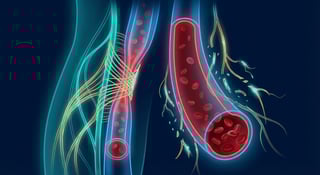

Neuropathic POTS is the most common subtype of Postural Orthostatic Tachycardia Syndrome, affecting roughly 50% of all diagnosed patients. It is caused by damage to the small nerve fibers (called...


Very few clinics offer specialized treatment forpost concussion syndrome (PCS). Cognitive FX specializes exclusively in treating the root causes of lingering post-concussion symptoms (as well as...