Why POTS Is So Often Misdiagnosed as Anxiety (And What You Can Do)
14:38
POTS Misdiagnosis Statistics Infographic
The POTS Misdiagnosis Crisis
77%
of POTS patients were told their symptoms were psychological before receiving a correct diagnosis
Sources: Shaw et al., 2019 (n=4,835); Bourne et al., 2021 (n=8,919)
4.9
years
Average time to receive correct diagnosis
7
doctors
Average number seen before diagnosis
~68%
Told symptoms were "all in your head"
What POTS Patients Experience Before Diagnosis
Told symptoms were psychiatric/psychological77%
Misdiagnosed with another condition first75%
Told symptoms were 'all in your head'~68%
Had to suggest POTS diagnosis themselves34%
Female Patients
5 years
Average time to diagnosis for female POTS patients
Despite POTS affecting 75-94% women, females wait 2 years longer than males for diagnosis
Male Patients
3 years
Average time to diagnosis for male POTS patients
Research suggests gender bias may be influencing the diagnostic process
If you've been told your racing heart, dizziness, and brain fog are "just anxiety," you're not alone. Research shows that 77% of people with POTS are told their symptoms are psychological before finally receiving the correct diagnosis.Here's why this happens and how to advocate for yourself.
You know something is wrong with your body. Your heart pounds when you stand up. You feel dizzy in the shower. You can't think straight, and by afternoon, you're exhausted in a way that sleep doesn't fix. But every doctor you see runs tests that come back "normal" and suggests you might want to talk to someone about your anxiety.
The frustration is real. And for the estimated 1 to 3 million Americans living with Postural Orthostatic Tachycardia Syndrome, this scenario plays out far too often. POTS is a disorder of the autonomic nervous system that causes your heart rate to spike dramatically when you change positions, but because its symptoms overlap so heavily with anxiety, patients spend years being told their very real, very physical condition is all in their heads.
Note: At Cognitive FX, we've treated POTS patients — including many with POTS from long COVID and brain injury — using a five-day neurological rehabilitation protocol that targets the autonomic nervous system directly, not just the heart. If you've been dismissed with an anxiety diagnosis and are looking for a different approach, our POTS intake form is the first step.
What Is POTS, Exactly?
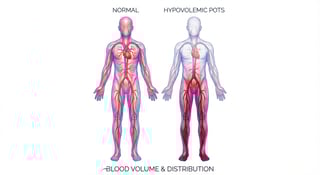
POTS stands for Postural Orthostatic Tachycardia Syndrome. It's a condition where your autonomic nervous system doesn't properly regulate blood flow when you change positions. When you stand up, blood pools in your lower body instead of circulating back up to your heart and brain efficiently. Your heart tries to compensate by beating faster, often increasing by 30 beats per minute or more within ten minutes of standing.
The result is a cascade of symptoms that can make daily life feel impossible: racing heart, lightheadedness, brain fog, fatigue, trembling, nausea, and that unsettling feeling that something is very wrong.
On the surface, POTS and anxiety look almost identical. Both can cause a racing heart, dizziness, shortness of breath, trembling, sweating, chest discomfort, and difficulty concentrating. When a patient walks into a doctor's office describing these symptoms, anxiety is often the first explanation that comes to mind.
But there's a crucial difference in what's happening inside you body:
In anxiety, the brain perceives a threat (real or imagined) and triggers the sympathetic nervous system to release adrenaline. The physical symptoms follow the psychological experience.
In POTS, the body releases adrenaline in response to a physical problem: blood isn't circulating properly when you stand. Your nervous system floods your body with stress hormones trying to compensate for faulty blood flow regulation. The physical symptoms come first, and any anxiety you feel is a reaction to those symptoms, not the cause of them.
POTS patients have been shown to have elevated norepinephrine levels when standing — often reaching levels seen in the body's active stress response. Their bodies are in a genuine physiological state of fight-or-flight, but it's triggered by gravity and blood flow, not fear or worry.
Both conditions share similar symptoms, but the underlying causes and key differentiators are very different.
The Critical Difference
POTS symptoms are position-dependent: They appear when you stand up and improve when you lie down. Anxiety symptoms can occur in any position and are typically triggered by stress or worry, not gravity.
POTS
Autonomic Nervous System Disorder
Primary Trigger
Postural changes (standing up, sitting up from lying down)
Heart Rate Pattern
≥30 bpm increase within 10 minutes of standing; often exceeds 120 bpm
Brain perceives threat and triggers fight-or-flight response psychologically
Do Anxiety Meds Help?
Often yes. SSRIs, SNRIs, therapy, and lifestyle changes typically improve symptoms
Symptoms That Look Alike
These symptoms occur in both POTS and anxiety, making misdiagnosis common
Racing heart
Dizziness
Shortness of breath
Brain fog
Trembling
Sweating
Chest discomfort
Fatigue
Symptoms Unique to POTS (Not Seen in Anxiety)
Blood Pooling & Skin Color Changes
Purple, red, or mottled discoloration of feet and legs when standing
Severe Heat Intolerance
Hot showers and warm weather dramatically worsen all symptoms
Near-Fainting Episodes
Pre-syncope with dimming vision and muffled hearing while upright
"Coat Hanger" Headache
Pain across back of head, neck, and shoulders during episodes
The Key Differences Between POTS and Anxiety
While the symptoms overlap significantly, there are several distinguishing features that separate POTS from anxiety disorders:
Position Matters
POTS symptoms are tied to changes in posture. They appear or worsen when you sit up or stand and improve when you lie down. Anxiety symptoms aren't consistently connected to body position. If your heart races specifically when you stand up from bed in the morning or after sitting for a while, and calms down within minutes of lying flat, that pattern points toward POTS rather than anxiety.
Visible Physical Signs
Many POTS patients experience blood pooling that you can actually see. Their feet and legs may turn purple, red, or mottled when they've been standing. Some develop what's called a "coat-hanger headache," pain that spreads across the back of the head, neck, and shoulders during episodes. These visible, measurable signs don't occur with anxiety disorders.
Heat Intolerance
Hot showers, warm weather, and heated rooms dramatically worsen POTS symptoms. Many patients report that taking a shower is one of their most challenging daily activities. This specific heat sensitivity isn't a hallmark of anxiety.
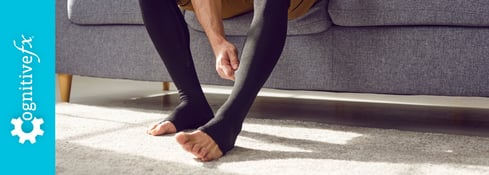
What helps POTS? Increased salt and fluid intake, compression garments, medications that address blood volume and vascular tone, and carefully designed exercise programs. These interventions target the underlying autonomic dysfunction rather than psychological distress.
The bottom line: POTS produces physical symptoms identical to anxiety, but the cause is autonomic nervous system dysfunction, not psychological distress. Research confirms that POTS patients do not have higher rates of anxiety disorders than the general population.The anxiety many patients experience is a natural response to frightening physical symptoms and years of being dismissed by healthcare providers.
The most troubling finding is that 77% of patients report being told their symptoms were psychiatric or psychological before their POTS diagnosis. In a follow-up analysis of nearly 9,000 patients, nearly 70% were explicitly told their symptoms were 'all in your head'.
The problem is compounded by gender bias. Despite POTS being a predominantly female condition, women wait nearly two years longer for diagnosis than men. The research team noted that gender bias may be influencing the diagnostic process.
Several factors contribute:
Lack of medical education: POTS receives minimal coverage in most medical school curricula, and many practicing clinicians report having little training in autonomic disorders.
Testing limitations: Standard vital signs taken while a patient is lying down or sitting will appear completely normal in POTS. The abnormality only shows up when the patient stands, and most routine exams don't include positional vital sign measurements.
Symptom questionnaires: Standard anxiety screening tools ask about rapid heartbeat, sweating, dizziness, and difficulty concentrating. POTS patients score high on these assessments because of their physical symptoms, leading to misinterpretation as psychiatric illness.
You don't necessarily need specialized equipment to get initial answers. An active standing test can be performed in any doctor's office. The protocol is straightforward: rest lying down for ten minutes, take baseline measurements, then stand and measure heart rate and blood pressure every two minutes for ten minutes. If your heart rate jumps 30+ bpm and stays elevated, that's a strong indicator of POTS.
If you suspect you have POTS rather than anxiety, here are steps you can take:
Track your symptoms with position in mind. Keep a log noting what you were doing when symptoms started (standing, sitting, lying down), how long they lasted, and what made them better or worse. Note if symptoms improve when you lie down or elevate your legs.
Measure your own heart rate. Use a pulse oximeter or smartwatch to check your heart rate while lying down for several minutes, then immediately after standing. Repeat at 2, 5, and 10 minutes. If you consistently see a jump of 30+ bpm that stays elevated, bring this data to your doctor.
Ask specifically for orthostatic vital signs. Request that your doctor check your heart rate and blood pressure while lying down, then while standing. Many physicians don't do this routinely, but it's a simple test that can reveal the pattern.
Seek specialists who know POTS. Cardiologists, neurologists, and electrophysiologists who specialize in autonomic disorders are most likely to recognize and properly diagnose POTS. Dysautonomia International and Standing Up to POTS maintain directories of knowledgeable providers, and our guide to choosing a POTS clinic explains what each type of clinic does well and what to ask before you book.
Don't dismiss yourself. If anxiety treatments aren't working and your symptoms are tied to position changes, trust your experience. POTS is a real, physical condition that requires different treatment than anxiety.
Effective Treatment Requires a Multidisciplinary Approach
POTS affects multiple body systems simultaneously, which is why effective treatment typically requires input from several specialties. The autonomic nervous system controls not just heart rate but also digestion, temperature regulation, bladder function, and blood vessel tone. When it malfunctions, the effects ripple throughout the body.
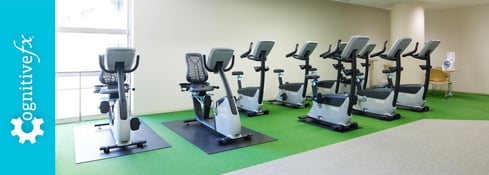
Successful POTS management usually involves a combination of lifestyle modifications (dramatically increased salt and fluid intake, compression garments, sleeping with the head elevated), carefully progressed exercise programs that start with recumbent activities, and sometimes medications that address blood volume, heart rate, or blood vessel constriction.
How Cognitive FX Treats POTS as a Neurological Condition
Most POTS care targets the heart and blood vessels — beta blockers to slow tachycardia, midodrine to raise blood pressure, compression garments to reduce venous pooling. These interventions can help, but they're addressing the symptom, not the source. The autonomic nervous system and brainstem centers that are miscalibrating heart rate and blood pressure signals in the first place go untouched.
Cognitive FX's POTS Treatment program takes a different approach. Rather than adjusting to a nervous system stuck in fight-or-flight, the goal is to recalibrate it. We're recalibrating the thermostat, not just adjusting to a room that's always too hot.
The five-day program targets three root systems:
Autonomic regulation — retraining the brainstem centers that control heart rate and blood pressure
Vestibular calibration — recalibrating the inner ear structure that detects vertical position changes when you stand
Breathing mechanics — restoring the CO₂/O₂ balance that affects blood flow and brain oxygenation
The protocol wasn't invented for POTS. It emerged from years of treating brain injury patients who also had POTS symptoms — patients whose autonomic dysfunction consistently improved through neurological rehabilitation. We formalized those methods into a dedicated 5-day POTS treatment program.
What the week looks like:
Day 1 is a comprehensive evaluation — orthostatic response, vestibular function, cranial nerve inputs, and breathing mechanics — that builds a customized treatment plan. Days 2–5 are four to six hours per day of multi-modal treatment: Neuro-Cardio Training that uses brief intervals through all heart rate zones with precise recovery periods to retrain sympathetic and parasympathetic systems; vestibular recalibration targeting the saccule; breathing mechanics training to address hypocapnia; cranial nerve activation using targeted smell and taste inputs; and CO₂-based therapies to improve oxygen delivery.
Patients leave with a home program built around drills already tested against their specific dysregulation pattern.
The details:
Duration: 5 days (Monday–Friday), 4–6 hours per day
Cost: $4,500, including evaluation, all treatment sessions, and follow-up consultations
Insurance: Not directly covered; we provide documentation and billing codes for out-of-network reimbursement claims. Payment plans available.
Location: Provo, Utah. Most patients travel from across the US and internationally.
You Deserve to Be Heard
If you've spent months or years being told your very real symptoms are psychological, know that you're not imagining things. The research is unequivocal that POTS is a genuine physiological condition with measurable abnormalities. The symptoms you're experiencing have a physical basis, even if it takes time to find a provider who recognizes it. Many POTS patients describe onset as waking up in a body that no longer feels like their own — a valid response to a real, measurable physiological change.
You know your body better than anyone. Don't stop advocating for yourself until you get answers that make sense.
If you've spent years being told your symptoms are psychological, and you're looking for a program that treats POTS as a neurological condition rather than a cardiovascular one, Cognitive FX's five-day POTS Treatment may be a fit. Complete the POTS intake form or call 385-446-4158 to speak with our team.
The POTS Diagnostic Journey
The Typical POTS Diagnostic Journey
What most patients experience before finally getting answers
Symptoms Begin
Day 1
Racing heart when standing, dizziness, fatigue, brain fog. Often following a viral illness, surgery, or other trigger.
Post-viral onset is a common trigger
First Doctor Visits
Months 1-6
Standard tests come back "normal." Blood pressure looks fine (taken lying down). EKG is normal (done seated). Basic bloodwork is unremarkable.
Tests miss the problem
"It's Just Anxiety"
Year 1-2
Multiple physicians suggest symptoms are psychological. Standard anxiety screening flags positive due to physical symptoms. May be prescribed SSRIs or told to manage stress.
77% told it's psychiatric
The Search Continues
Years 2-4
Seeing multiple specialists. Cardiology, neurology, psychiatry. More tests. More dismissals. Symptoms worsen from deconditioning. May need to reduce work/school.
21% see 10+ doctors
Self-Discovery
Year 4-5
Patient researches symptoms online, finds POTS. Recognizes the pattern. Has to suggest the diagnosis to their own doctor. Finally gets a tilt table test.
34% suggest diagnosis themselves
Finally Diagnosed
~5 Years Later (average)
POTS confirmed via tilt table test or active standing test. Heart rate increases ≥30 bpm. The physical cause is finally validated. Treatment can begin.
Validation at last
The Diagnostic Delay by the Numbers
~5
years average to diagnosis
7
doctors seen on average
77%
told "it's psychological"
~68%
told 'it's all in your head'
There Is Hope: Treatment Works
With proper diagnosis and treatment, most POTS patients see significant improvement. 71% of patients who complete a structured exercise program no longer meet diagnostic criteria for POTS.
Björnson M, Ricci F, Persson H, et al. Prevalence and Clinical Impact of Postural Orthostatic Tachycardia Syndrome in Highly Symptomatic Long COVID. Circulation: Arrhythmia and Electrophysiology. 2025. https://www.ahajournals.org/doi/10.1161/CIRCEP.124.013629
Bourne KM, Sheldon RS, Hall J, et al. Symptom Presentation and Access to Medical Care in Patients With Postural Orthostatic Tachycardia Syndrome: Role of Sex. CJC Open. 2021;3(12 Suppl):S44–S52. https://pmc.ncbi.nlm.nih.gov/articles/PMC8712580/
George SA, Bivens TB, Howden EJ, et al. The international POTS registry: Evaluating the efficacy of an exercise training intervention in a community setting. Heart Rhythm. 2016;13(4):943–950. https://doi.org/10.1016/j.hrthm.2015.12.012
Lei LY, Chew DS, Sheldon RS, Raj SR. Evaluating and managing postural tachycardia syndrome. Cleveland Clinic Journal of Medicine. 2019;86(5):333–344. https://www.ccjm.org/content/86/5/333
Raj V, Haman KL, Raj SR, et al. Psychiatric profile and attention deficits in postural tachycardia syndrome. Journal of Neurology, Neurosurgery & Psychiatry. 2009;80(3):339–344. https://pubmed.ncbi.nlm.nih.gov/18977825/
Shaw BH, Stiles LE, Bourne K, et al. The face of postural tachycardia syndrome — insights from a large cross-sectional online community-based survey. Journal of Internal Medicine. 2019;286(4):438–448. https://onlinelibrary.wiley.com/doi/10.1111/joim.12895
Sheldon RS, Grubb BP, Olshansky B, et al. 2015 Heart Rhythm Society Expert Consensus Statement on the Diagnosis and Treatment of Postural Tachycardia Syndrome, Inappropriate Sinus Tachycardia, and Vasovagal Syncope. Heart Rhythm. 2015;12(6):e41–e63. https://doi.org/10.1016/j.hrthm.2015.06.029
Dr. Lynn Gaufin graduated from the University of Utah and then attended medical school at Cornell University in New York City. After medical school he join the Army and was a surgeon in the military before finishing his Neurological Residency at University of California Los Angeles. Dr. Gaufin specializes in cervical and lumbar spine surgery, brain tumors, brain hemorrhages, and treatment of traumatic brain injuries. Dr. Gaufin is one of the emergency trauma neurosurgeons on call at Utah Valley Hospital. Before he began his practice in Utah he saw a significant amount of traumatic brain injuries during his career in the Army and his residency in Los Angeles. As a surgeon who treats individuals who suffer from mild to severe traumatic brain injuries he recognized a problem in the post operative rehabilitation. Individuals who suffered severe trauma would be admitted into speciality facilities where they would receive months of care. But patients who had a more mild trauma would be released and would largely be on their own when it came to restoring their cognitive function. That problem is what lead Dr. Gaufin to team up with Dr. Fong and Dr. Allen in the creation of Cognitive FX. Cognitive FX was able to take the research that Dr. Fong and Dr. Allen started in their Phd programs and bring it into the clinical environment.
Hyperadrenergic POTS affects an estimated 30 to 60% of all POTS patients, yet most are never told which subtype they have. That matters because the hyperadrenergic form requires a fundamentally...
If you've recently been diagnosed with postural orthostatic tachycardia syndrome (POTS), there's a good chance a doctor has already told you that exercise can help. This advice can feel baffling and...
Compression socks are one of the first things most POTS patients are told to try. But there’s a big difference between a pair of travel socks from the pharmacy and a properly fitted, waist-high...
Dysautonomia is an umbrella term for disorders in which the autonomic nervous system (ANS), the network that automatically runs heart rate, blood pressure, digestion, and temperature, stops...
If you have postural orthostatic tachycardia syndrome (POTS), you've probably been told that physical therapy is the place to start. And if you've already tried it—going to every session, doing the...