If you’re living with POTS, you’ve probably wondered: Is this ever going to get better?
When your heart rate jumps after standing and symptoms like lightheadedness, heart palpitations, or brain fog show up without warning, it can feel like your body is working against you.
Right now, unfortunately, there’s no permanent cure for postural orthostatic tachycardia syndrome. Most POTS treatment plans focus on managing symptoms day-to-day—helping to stabilize blood pressure, improve blood flow, and support blood volume so that symptoms are easier to live with.
Many POTS patients get some relief from lifestyle changes like increasing salt intake, staying hydrated, wearing compression garments, and easing into exercise. Medications may also help control rapid heart rate or low blood pressure. But while these steps can make daily life more manageable, they usually need to be continued long-term—and when they stop, symptoms often return or begin worsening, which can wear on both quality of life and mental health.
What this standard treatment approach often fails to address is the underlying cause of why POTS happens in the first place. Although it’s often treated as a cardiovascular problem, POTS is increasingly understood as a problem with how the autonomic nervous system regulates the body—especially how the heart and blood vessels respond to standing.
At Cognitive FX, we take a neurologic approach to treating POTS, focusing on retraining the nervous system itself rather than relying solely on ongoing symptom management. In this article, we’ll walk through both conventional care and how a neurologic framework helps explain why some patients continue to struggle.
In this article, we’ll cover:
What POTS Is and How It Affects the Body
Postural tachycardia syndrome is a disorder of the autonomic nervous system—the system responsible for involuntary functions such as heart rate, blood flow, digestion, temperature regulation, and blood vessel constriction.
When a person with POTS moves from lying down to standing, the body fails to regulate circulation properly. Blood pools in the lower body when it struggles to adapt to being upright, and the heart compensates with an excessive heart rate increase, leading to what’s called orthostatic intolerance.
Common symptoms of POTS include dizziness, lightheadedness, palpitations, chest discomfort, shortness of breath, nausea, chronic fatigue, exercise intolerance, and cognitive symptoms like brain fog. While these symptoms show up in the heart and blood vessels, the problem usually begins in the brain—specifically in how the autonomic nervous system coordinates circulation when you change position. When this signaling is disrupted, the body overreacts to standing, triggering the rapid heart rate, poor blood flow regulation, and the wide range of symptoms seen in POTS.
Importantly, POTS differs from orthostatic hypotension, where standing causes a measurable drop in blood pressure (typically ≥20 mm Hg systolic). In POTS, blood pressure may remain stable—or even be low at baseline—while heart rate rises disproportionately.
Because symptoms vary widely in severity and presentation, POTS diagnosis often involves multiple specialists, including a cardiologist, neurologist, and primary care provider.
The Most Common Treatments for POTS
Initial POTS treatment typically emphasizes non-pharmacological strategies and targeted lifestyle changes. If symptoms persist despite these measures, medications may be added to address specific physiologic issues. Most patients require a combination approach rather than a single intervention.
Increasing Salt and Fluid Intake
Raising salt intake and improving hydration are cornerstones of POTS management. Sodium and fluids help expand blood volume, improve venous return, and reduce excessive heart rate responses when standing. Many patients are advised to gradually increase sodium to approximately 10 grams per day, alongside 2–3 liters of fluid. This may include salted foods, electrolyte drinks, or salt tablets.
Compression Garments
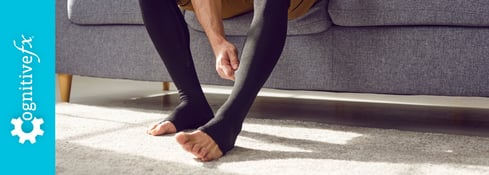
Compression garments, particularly waist-high stockings, help prevent blood pooling in the legs and abdomen. By supporting circulation back to the heart, they reduce heart palpitations, dizziness, and low blood pressure. Patients often start with lower compression (8–15 or 15–20 mm Hg) and increase as tolerated.
Recumbent and Graded Exercise
Because prolonged standing and upright activity can provoke symptoms, early exercise is often performed in a recumbent position (e.g., rowing, swimming, recumbent biking). Over time, carefully graded upright exercise improves cardiovascular conditioning, strengthens skeletal muscle pumps, and enhances autonomic regulation of blood flow.
Cognitive Behavioral Therapy (CBT)
CBT can be helpful for patients whose symptoms trigger anxiety or avoidance behaviors. It does not treat the underlying dysfunction, but it can improve coping, pacing, and emotional resilience—especially for patients experiencing symptom-related distress or worsening mental health.
Medication
There is currently no medication that is FDA-approved specifically for treating POTS. Medications are prescribed off-label to target specific symptoms such as tachycardia, low blood pressure, or fatigue. Selection depends on physiology, symptom profile, and tolerance.
Medications That Reduce Heart Rate
-
Beta-blockers (e.g., propranolol, metoprolol) blunt the effects of adrenaline on the heart and blood vessels, lowering heart rate and reducing palpitations. Studies show that beta blockers can also help patients feel better during exercise.
-
Ivabradine slows heart rate without significantly lowering blood pressure and may improve exercise tolerance.
-
Verapamil may be used in select patients with chest pain or migraines, but requires caution due to hypotension risk.
Medications That Improve Circulation and Blood Volume
-
Fludrocortisone increases sodium retention and expands blood volume.
-
Midodrine constricts blood vessels to raise blood pressure and reduce pooling, though it requires multiple daily doses.
-
Pyridostigmine enhances parasympathetic signaling, improving standing tolerance and circulation.
-
Desmopressin (DDAVP) temporarily increases water retention and may help with severe hypovolemia.
Medications for Fatigue, Brain Fog, and Mood
-
Stimulants may improve alertness and brain fog, though they can worsen tachycardia in some patients and require careful monitoring by a doctor.
-
Certain antidepressants increase norepinephrine, helping constrict blood vessels and improve standing tolerance while also addressing anxiety or depression.
Related reading: Managing POTS Without Medication: A Guide for Patients
Lifestyle Strategies That Support Symptom Control
Daily habits play an important role in symptom stability, though they do not resolve the underlying autonomic dysfunction.
Key lifestyle changes include:
-
Dietary adjustments—such as smaller, more frequent meals—help prevent post-meal drops in blood pressure.
-
Limiting alcohol and carefully monitoring caffeine intake can reduce symptom flares.
-
Targeted supplements, including B1, B12, and D vitamins, as well as magnesium and omega-3 fatty acids, under medical guidance.
-
Avoiding heat exposure is critical, as warmth causes vasodilation and worsens orthostatic symptoms.
-
Improving sleep hygiene and elevating the head of the bed can support overnight fluid retention and reduce morning symptoms.
-
Physical countermeasures—such as leg crossing, muscle tensing, shifting weight between legs, squatting, handgrip exercises, bending forward, or lying down with legs elevated—can temporarily restore blood flow during symptom onset.
Breathing retraining is also important. Shallow or rapid breathing can aggravate autonomic dysfunction, increasing heart palpitations, shortness of breath, and dizziness. Diaphragmatic and nasal breathing help shift the nervous system toward a parasympathetic state.
Why Symptom Management Alone Often Falls Short
With consistent symptom management—including hydration, salt, compression, exercise, and medication—many patients can function day to day. However, long-term studies show that most adults continue to experience symptoms of POTS years after diagnosis, and symptom control effectiveness often diminishes over time.
This is largely because, as we’ve discussed throughout this article, the standard treatment approaches in today’s healthcare system do not target the underlying autonomic dysfunction that leads to POTS.
A small but growing number of POTS clinics, including our Utah-based clinic, Cognitive FX, are beginning to offer treatment alternatives that directly address the neurologic dysfunction and seek to provide long-term autonomic regulation improvements, not just strategies for symptom management.
Treating the Root Cause of POTS at Cognitive FX
Instead of asking the body to compensate indefinitely, our goal is to help the nervous system relearn how to regulate heart rate, blood flow, and posture more appropriately. By repeatedly training these responses in a controlled, clinical setting, we aim to reduce the overreaction that drives many POTS symptoms in daily life.
Our program grew out of the success we’ve had treating brain injury patients who commonly experience POTS symptoms. As we consistently saw their autonomic function improve through neurological rehabilitation, we refined and formalized those methods into a dedicated POTS program.
The Five-Day POTS Treatment Program
Our intensive POTS treatment program lasts five days and includes:
- Comprehensive medical and neurophysiological assessment
- Neuro-cardio training
- Vestibular recalibration
- Breathing mechanics training
- Cranial nerve activation
- CO₂-based therapies
Each therapy targets a different aspect of ANS dysfunction, teaching the brain how to self-regulate more effectively.
How Our Therapies Work
Neuro-Cardio Training
The ANS has two main branches:
POTS patients often remain stuck in a state of chronic sympathetic overactivation. Neuro-cardio training helps the brain relearn how to shift between these states.
Patients perform brief, high-intensity exercises to trigger the SNS, followed by cooling techniques and diaphragmatic breathing to activate the PNS. Repeating these cycles retrains the body to transition smoothly between stress and rest responses.
Vestibular Recalibration
Dizziness in POTS isn’t caused only by reduced blood flow to the brain. The inner ear also plays an important role, specifically a tiny structure called the saccule, which detects changes in your body’s position on the vertical plane (such as moving from lying to sitting or standing).
The vestibular nerve and saccule communicate with the vagus nerve to help regulate heart rate based on movement. Normally, your heart rate should rise slightly when you sit or stand as your body adjusts to gravity. But if these vestibular signals are inaccurate or delayed, your brain may misjudge what’s happening and overcorrect. This can trigger a stronger-than-necessary heart rate response and lead to dizziness or lightheadedness.
Our vestibular recalibration therapy helps retrain the brain to process these signals correctly. Through targeted balance and movement exercises, patients learn to coordinate vestibular input with autonomic responses more effectively—reducing dizziness, stabilizing heart rate changes, and calming the nervous system’s overreaction to position shifts.
Breathing Mechanics Training
Breathing directly influences autonomic function.
- Inhalation activates the SNS.
- Exhalation activates the PNS.
Many POTS patients develop dysfunctional breathing patterns, leading to low CO₂ levels (hypocapnia) that worsen symptoms like dizziness and fatigue. Our breathing training focuses on slow, nasal, diaphragmatic breathing and—when needed—supplemental CO₂ therapy to restore balance.
Cranial Nerve Activation
We stimulate cranial nerves through targeted smell and taste exercises. For example, lavender, vanilla, and rose activate the parasympathetic system, while citrus and peppermint stimulate sympathetic activity. This trains sensory-autonomic connections involved in POTS regulation.
CO₂-Based Therapies
Contrary to old assumptions, CO₂ is vital for oxygen delivery. Many POTS patients have low CO₂, which limits oxygen utilization.
We use CO₂ in two ways:
- Pre-cardio inhalation to improve oxygen use during exercise.
- CO₂ bath during rest phases to enhance relaxation and circulation.
Moving Beyond Symptom Management
If you've been diagnosed with POTS and standard treatments haven’t provided lasting improvement, it's likely because those approaches aren't addressing the neurological regulation problem. We're treating a different layer of the problem—and that's why patients who've "tried everything" often see results they haven't experienced before.
If you’ve been diagnosed with POTS and you live in the Utah Valley area—or can travel to Provo—our clinic offers one of the few neurologically focused POTS treatment programs in the country. Fill out this form to see if you’re a good fit, learn more about our POTS treatment program, or call our patient care coordinator at 385-334-6093.