What Causes Headaches?

Headaches can be a tricky symptom to address. They are often one of several symptoms that may present itself after a concussion or traumatic brain injury (TBI). On another hand, headaches are not a...

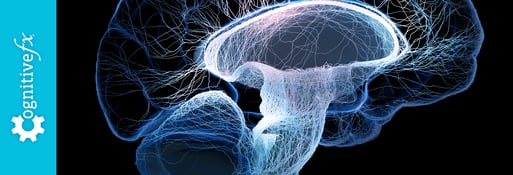
The brain loves taking the path of least resistance. This is true for blood flow and also for sending the communication signals in the brain when neurons are firing. Even a simple task requires different brain regions to work, or function, together at whatever you are trying to accomplish, be it reading this post, driving, writing, singing a song, or doing something as simple as opening your eyes, yawning, or breathing. Overall, when we are talking about brain function, we are talking about the ability for the neurons, the blood flow, and other systems in your brain to work and communicate with one another to do their job.
After mTBI, injured regions of the brain can swell. Because the brain wants to take the path of least resistance, it will use different neuronal pathways to avoid the areas where there is inflammation. This change restricts blood flow in one or more regions of your brain, causing other regions to compensate for the regions that are injured. This means that different regions are over-exerting themselves to complete the work of the injured brain regions. Think of it as a receptionist who, on top of completing her own responsibilities, now has to do the job and work of the accounting department and the CEO. This imbalanced blood flow is what we call dysregulation, or dysfunction.
After a concussion or brain injury, this dysregulation can last for months and, potentially, years. Symptoms such as mental fatigue and physical exhaustion are common because, in many ways, these new, more complicated pathways take more energy and more blood flow. These symptoms are a result of the dysfunction.
In addition to fatigue, dysfunction across the brain can cause a variety of symptoms, including vision problems, sound and light sensitivity, trouble sleeping, changes in mood or personality, headaches, sleep disturbance, and more. Depending on where dysregulation or dysfunction happens in your brain, you may have a couple symptoms, or you may experience a multitude of symptoms and struggles. Because this dysregulation and its impact is so unique for each person, it is important that you work with specialists who target treatment to your specific brain function and to your specific symptoms.
Restoration of healthy pathways takes work. The brain and body have to be pushed. But it is vital that they are pushed accurately. Knowing when to continue doing an activity, when to stop an activity and rest, and when to shift activity focus and do something entirely different is critical to regulating your brain. Having balance between activity and rest is what makes the exercises you are participating in bring restoration. When exercises are inaccurately used, or you don’t push hard enough using the right brain regions, the exercises may reinforce unhealthy pathways and dysregulation.
We understand that brain injury is real and that the symptoms that come with a concussion or mTBI can influence your life in many ways. The symptoms of concussions, even years after an injury, are not to be ignored or written off. Those who experience these symptoms in connection with a brain injury or concussion are dealing with dysfunction and dysregulation of their brain. Nevertheless, we know that restoration of healthy functioning and pathways is possible. We encourage you to stay hopeful and know that as you continue to recover, these symptoms can improve — and so can your life.