---
title: Treatment Options for Transient Ischemic Attack (Mini-Stroke)
description: Discover treatment options for transient ischemic attacks (TIAs), including symptom management, long-term effects, and strategies to prevent future strokes.
image: https://www.cognitivefxusa.com/hubfs/transient-ischemic-attack-treatment-options.jpg
---

![Light-Mode-Sun-Icon-SVG](https://www.cognitivefxusa.com/hubfs/Sun.svg) ![Dark-Mode-Moon-Icon-SVG](https://www.cognitivefxusa.com/hubfs/moon.svg)

###### 280 W River Park Drive Suite 110 Provo, UT

###### [+1 385 446-4161](tel:+13854464161)

###### [hello@cognitivefxusa.com](mailto:hello@cognitivefxusa.com)

[![Main_Logo_500px 1](https://www.cognitivefxusa.com/hubfs/Main_Logo_500px%201.svg) ](https://www.cognitivefxusa.com/)

[**Get Started** ](https://cta-redirect.hubspot.com/cta/redirect/2921058/881eced2-ed9a-4b23-a8ba-b17b0921e4b3)

- [Brain Injury Treatments](https://www.cognitivefxusa.com/treatment) ![down arrow](https://www.cognitivefxusa.com/hubfs/down-arrow-1.svg)
  
  ### Your Treatment
  
  ###### [Post-Concussion Syndrome Treatment Our intensive EPIC program helps patients recover from symptoms that haven't responded to traditional care.](https://www.cognitivefxusa.com/treatment)


  ###### [POTS Treatment POTS treatment clinic using neurological retraining, vestibular recalibration & CO₂ therapy. 5-day intensive program in Utah.](https://www.cognitivefxusa.com/pots-treatment)


  ###### [Viral Brain Injury Treatment Long Covid-19, Post-Treatment Lyme, Encephalitis. We utilize cutting-edge treatments to help you regain function.](https://www.cognitivefxusa.com/viral-brain-injury)


  ###### [What does CFX do for PCS? Learn more about post-concussion.](https://www.cognitivefxusa.com)


  ###### [Book Consult Schedule a 30-minute call with one of our doctors to see if CFX precision treatment approach is right for you.](https://cognitivefxusa.typeform.com/consult-intake)


  ###### [Pricing Pricing for each of our treatment packages and other important financial information.](https://www.cognitivefxusa.com/pricing)


  ###### [Learn about the Brain Scan fNCI Standard brain scans show structure. fNCI shows function. It's the difference between a "normal scan" and being able to see what is wrong and treat it.](https://www.cognitivefxusa.com/fnci-brain-scan-at-cognitive-fx-56-regions-measured)


  ###### [TIA Mini Stroke Treatment Still struggling with brain fog, fatigue, or memory issues after a TIA or mini stroke? Cognitive FX uses functional brain imaging and an intensive 5-day program to treat the symptoms standard care misses.](https://www.cognitivefxusa.com/tia-mini-stroke-treatment-for-lingering-symptoms-cognitive-fx)
- [TMS Treatments](https://www.cognitivefxusa.com/precision-mental-health-fmri-guided-transcranial-magnetic-stim) ![down arrow](https://www.cognitivefxusa.com/hubfs/down-arrow-1.svg)
  
  ### Depression Treatment
  
  ###### [Depression Treatment fMRI Guided TMS Depression treatment with precision brain imaging meets advanced TMS protocols for depression that hasn't responded to medication.](https://www.cognitivefxusa.com/precision-mental-health-fmri-guided-transcranial-magnetic-stim)


  ###### [One-Day Depression TMS Treatment Protocol Accelerated depression treatment TMS protocol that compresses weeks of treatment into one day intensive session.](https://www.cognitivefxusa.com/one-d-tms-one-day-tms-accelerated-depression-treatment-protocol)


  ###### [Depression Treatment Resistant Quiz Tried multiple antidepressants with no relief? This free quiz evaluates your treatment history, symptoms, and risk factors to help you understand your next steps.](https://www.cognitivefxusa.com/treatment-resistant-depression-quiz-free-self-assessment-no-email)


  ###### [Schedule Consultation Schedule a 30-minute telehealth visit with our team to discuss potential TMS treatment.](https://www.cognitivefxusa.com/tms-consultation-signup)


  ###### [Depression Treatment Blogs Learn more about TMS treatment for depression. And how effective it can be for patients with treatment-resistant depression.](https://www.cognitivefxusa.com/blog/topic/transcranial-magnetic-stimulation-tms)
- [Treatment Results](https://www.cognitivefxusa.com/our-patients) ![down arrow](https://www.cognitivefxusa.com/hubfs/down-arrow-1.svg)
  
  ### Patient Results
  
  ###### [Publications Learn more about post-concussion.](https://www.cognitivefxusa.com/our-research)


  ###### [Patient Results We see patients from all over the world with different types of brain injuries. Learn more about who our patients are.](https://www.cognitivefxusa.com/treatment-outcomes)


  ###### [Patient Stories Our patients say it best! Watch our past patients' stories.](https://www.cognitivefxusa.com/patient-stories)


  ###### [Other Brain Injuries We have found our approach to concussion treatment also works for other types of brain injuries. Check out our non-concussion patients' improvements with EPIC Treatment.](https://www.cognitivefxusa.com/other-types-of-injuries)


  ###### [How We Measure Success Learn more about how we measure the success of EPIC Treatment through our fNCI scan and symptom measurements.](https://www.cognitivefxusa.com/treatment-outcomes)


  ###### [Treatment Summary Whitepaper Learn more about the outcomes and studies done on targeted fMRI guided treatment for brain injuries.](https://www.cognitivefxusa.com/hubfs/Treatment%20and%20Research%20Summary/Treatment%20%26%20Research%20Summary%20(web).pdf?hsLang=en-us)
- [Symptom Trackers](https://www.cognitivefxusa.com/post-concussion-symptom-tracker) ![down arrow](https://www.cognitivefxusa.com/hubfs/down-arrow-1.svg)
  
  ### Your Treatment
  
  ###### [Post Concussion Symptom Tracker Free post-concussion symptom tracker tool. Can measure symptoms daily or weekly, all data stored locally.](https://www.cognitivefxusa.com/post-concussion-symptom-tracker)


  ###### [POTS Symptom Tracker Learn more about your symptoms. Log heart rate (lying/standing), blood pressure, and triggers daily. No account needed.](https://www.cognitivefxusa.com/free-pots-symptom-tracker-log-vitals-triggers-cognitive-fx)
- [Blog](https://www.cognitivefxusa.com/blog) ![down arrow](https://www.cognitivefxusa.com/hubfs/down-arrow-1.svg)
  
  ### The Cognitive FX Head Injury Blog
  
  ###### [Post Concussion Treament Learn more about post-concussion syndrome.](https://www.cognitivefxusa.com/blog/topic/post-concussion-treatment)


  ###### [Transcranial Magnetic Stimulation Learn more about TMS for depression, anxiety, and concussion.](https://www.cognitivefxusa.com/blog/topic/transcranial-magnetic-stimulation-tms)


  ###### [Long Covid - Viral Infection Treatment Learn more about how we treat viral infections that impact the brain. COVID-19, Lyme, etc.](https://www.cognitivefxusa.com/blog/topic/covid)


  ###### [Other Brain Injuries Treated Read about other types of brain injury we treat. Stroke, TIA, Tinnitus, etc.](https://www.cognitivefxusa.com/blog/topic/traumatic-brain-injury)


  ###### [Patient Outcomes and Stories Learn more about the specific symptoms and issues our patients have faced.](https://www.cognitivefxusa.com/blog/topic/patient-stories)


  ###### [Browse more topics here! Browse through all of the brain injury topics and posts from the Cognitive FX Blog home.](https://www.cognitivefxusa.com/blog)

[**Get Started** ](https://cta-redirect.hubspot.com/cta/redirect/2921058/881eced2-ed9a-4b23-a8ba-b17b0921e4b3)

#### [Back to Blog](https://www.cognitivefxusa.com/blog)

#### Content

#### Proven Results Improvement in 77% of Participants

 Published peer-reviewed research shows that Cognitive FX treatment leads to meaningful symptom reduction in post-concussion symptoms for 77% of study participants. Cognitive FX is the only PCS clinic with third-party validated treatment outcomes. 

[ READ FULL STUDY ](https://www.tvnp.nl/inhoud/tijdschrift_artikel/NP-19-2-3/Cognitive-FX-behandeling-voor-aanhoudende-klachten-na-een-hersenschudding-Observatie-van-verandering-in-functioneren)

1. [ Home ](https://www.cognitivefxusa.com)
2. [ Blog ](https://www.cognitivefxusa.com/blog)
3. Treatment Options for Transient Ischemic Attack (Mini-Stroke)

# Treatment Options for Transient Ischemic Attack (Mini-Stroke)

![Image of Dr. Alina Fong, Ph.D.](https://www.cognitivefxusa.com/hubfs/Alina_150px.webp)

 Dr. Alina Fong, Ph.D. 

•

 Updated on 17 January, 2025 

•

 Medically Reviewed by

[Dr. Mark Allen](https://www.cognitivefxusa.com/dr-mark-allen-phd)

<http://www.facebook.com/share.php?u=https://www.cognitivefxusa.com/blog/transient-ischemic-attack-treatment-options> [mailto:?subject=Check%20out%20https://www.cognitivefxusa.com/blog/transient-ischemic-attack-treatment-options%20&body=Check%20out%20https://www.cognitivefxusa.com/blog/transient-ischemic-attack-treatment-options&media=https://2921058.fs1.hubspotusercontent-na1.net/hubfs/2921058/transient-ischemic-attack-treatment-options.jpg](mailto:?subject=Check%20out%20https://www.cognitivefxusa.com/blog/transient-ischemic-attack-treatment-options%20&body=Check%20out%20https://www.cognitivefxusa.com/blog/transient-ischemic-attack-treatment-options&media=https://2921058.fs1.hubspotusercontent-na1.net/hubfs/2921058/transient-ischemic-attack-treatment-options.jpg)

If you think you or a loved one have suffered a transient ischemic attack (TIA, or mini-stroke), seek medical care immediately and follow your doctor’s stroke prevention steps. Your doctor may order blood tests to check for underlying conditions like high cholesterol or clotting disorders that increase stroke risk. Afterward, pursue medical advice and care to address any longer-lasting effects of the TIA.

For most patients, the symptoms of a TIA resolve in a few minutes or hours. However, a TIA can have symptoms that last for months or years afterward. Many healthcare providers think these symptoms are rare or at least short-term, but a 2013 survey from the UK Stroke Association showed otherwise. Seventy percent of respondents reported long-term after-effects such as cognitive difficulties or poor mobility. And sixty percent had emotional changes after the incident.

**This article provides a broad overview of TIA symptoms, prevention, and treatments to help you understand the landscape of options available to you. **

We cover:

- [Transient ischemic attack (TIA): What it is, signs, and symptoms](https://www.cognitivefxusa.com/blog/transient-ischemic-attack-treatment-options#transient-ischemic-attack)
- [How are TIAs treated?](https://www.cognitivefxusa.com/blog/transient-ischemic-attack-treatment-options#treatment) 
    - [Preventative measures](https://www.cognitivefxusa.com/blog/transient-ischemic-attack-treatment-options#preventative-measures)
    - [Therapies](https://www.cognitivefxusa.com/blog/transient-ischemic-attack-treatment-options#therapies)
- [Treating long-term symptoms of TIAs](https://www.cognitivefxusa.com/blog/transient-ischemic-attack-treatment-options#symptoms)
- [Frequently asked questions about TIAs](https://www.cognitivefxusa.com/blog/transient-ischemic-attack-treatment-options#faq)

*If you’ve been suffering from lingering symptoms after a TIA, you’re not alone and you’re not imagining it. TIA can and does cause persistent symptoms that won’t resolve without treatment. 95% of our patients experience statistically verified restoration of brain function after treatment at our clinic. *[*Book a free consultation*](http://cognitivefxusa.com/consultation)* with our team to learn if we can help you.*

## Transient Ischemic Attack (TIA): What It Is, Signs & Symptoms

A transient ischemic attack (TIA) occurs when there’s a temporary (transient) interruption to the blood supply to a part of the brain. Without blood, the brain cells start to malfunction and may start to die (ischemia). TIAs are usually caused by a clot formed somewhere in the body that breaks free and travels through the blood vessels until it gets stuck or from fatty deposits that totally or partially block a blood vessel in the brain.

Symptoms typically appear suddenly and resemble those of a stroke but are shorter in duration. They begin to subside as the blood clot either dissolves or dislodges, restoring normal blood flow. In most cases, symptoms resolve within an hour, though they can sometimes persist for up to 24 hours.

Symptoms depend on the area of the brain affected by the TIA. Common signs include:

- Drooping on one side of the face
- Weakness on one side of the body, often an arm or leg
- Numbness sensation on one side of the body
- Mental confusion
- Trouble speaking, including slurring words
- Difficulty comprehending others
- Vision changes, including blurred and double vision
- Trouble walking
- Loss of balance and coordination
- Dizziness or vertigo
- Severe headache
- Difficulty swallowing

The best way to recognize if you are having a TIA is with the BE FAST acronym:

- **Balance problems:** Are you dizzy? Have you fallen?
- **Eyesight issues:** Have you lost your eyesight? Is your vision blurry?
- **Facial weakness: **Can you smile? Is your mouth, ears, or eyes drooping?
- **Arm weakness: **Can you raise both arms normally and keep them in that position? Do you have any muscle numbness or tingling?
- **Speech problems: **Can you speak clearly or is your speech slurred? Can others understand you? Can you understand them?
- **Time** to seek immediate medical attention if any of these signs are present. Every minute matters.

Even if the symptoms are mild, it’s important to seek medical care. As it is impossible to determine how long the symptoms are going to last and whether symptoms are from a TIA or a more serious acute stroke, patients should assume that all stroke-like symptoms are a medical emergency and should not wait to see if they go away. If you or someone you’re with has the symptoms listed above, call 911 (or the local emergency services number in your area).

TIA is sometimes called a “warning stroke” because [it precedes 12% of all strokes](https://www.stroke.org/en/about-stroke/types-of-stroke/tia-transient-ischemic-attack/what-is-a-tia), and 9–17% of TIA patients have a stroke within 90 days. Many strokes can be prevented by understanding the warning signs of TIAs and treating underlying risk factors.

The American Heart Association and the American Stroke Association (AHA/ASA) list the following as major risk factors for TIA and stroke:

- High blood pressure
- Cigarette smoking
- Heart disease
- Carotid artery disease
- Atrial fibrillation
- Diabetes
- Heavy use of alcohol

## How Are TIAs Treated?

As TIAs resolve on their own, there are no specific treatments for them. Nevertheless, seeking medical treatment as soon as possible is essential, because patients may need to follow preventative measures to reduce the risk of an impending stroke.

In addition, some patients may need help with lingering symptoms after their TIA. This support usually involves various forms of therapy to address problems such as memory problems, balance issues, vision problems, speech problems, and emotional issues.

### Preventative Measures

The main stroke preventative measures include medication, surgery, and lifestyle changes.

#### Medication for Stroke Prevention

Most patients who experience an ischemic stroke or TIA will need to take some medication to reduce their chances of having another TIA or a more serious stroke.

Some examples include:

- **Antiplatelet drugs **to reduce the risk of forming blood clots. Aspirin is the cheapest and most commonly used anti-platelet in TIA patients. Other medications such as clopidogrel and dipyridamole are also sometimes used. These medicines may cause indigestion and patients may bleed for longer if they cut themselves.
- **Anticoagulants** to prevent blood clots. These medications work by changing the chemical composition of blood to stop the formation of clots. Warfarin, apixaban, and rivaroxaban are examples of anticoagulants that can be offered to TIA patients.
- **Hypertensive medication **to reduce blood pressure. These medications are typically offered to patients who had high blood pressure before the TIA. Common examples include angiotensin-converting enzyme (ACE) inhibitors and beta-blockers.
- **Statins** to lower cholesterol. Statins reduce the cholesterol levels in the blood by blocking an enzyme in the liver that produces cholesterol. Examples of statins often given to people who have had a TIA include atorvastatin, simvastatin, and rosuvastatin.

#### Surgery

For some patients, the best option to prevent a stroke in the future is a surgical intervention. The most common types of surgeries include:

- Carotid endarterectomy: This procedure involves removing part of the lining of the carotid arteries – the main blood vessels that supply the head and neck – as well as any fatty deposits that may be constraining blood flow inside the carotid arteries. Unblocking the carotid arteries if they are narrowed can significantly reduce the risk of having a stroke or another TIA.
- Angioplasty: This procedure involves using a balloon-like device to open a clogged artery. Then a small wire tube called a stent is placed into the artery to keep it open.

#### Lifestyle Changes

Patients are also advised to make lifestyle changes to reduce the risk of stroke and support cardiovascular health. These include:

- Eating a healthy, low-fat, high-fiber diet, including plenty of fruit and vegetables
- Exercising regularly, such as cycling, running, or swimming
- Stopping smoking (which significantly reduces your risk of a stroke in the future)
- Limiting alcohol consumption
- Follow healthy sleep patterns and seek treatment for sleep apnea

### Therapies for TIA Symptoms

Some of the [supportive therapies](https://www.cognitivefxusa.com/blog/transient-ischemic-attack-supportive-therapy) that can help TIA patients include:

#### Physical Therapy

After an initial assessment, a physical therapist can determine your needs and develop a plan to help you return to your normal daily activities. Typical exercises include aerobic training, such as [walking](https://pubmed.ncbi.nlm.nih.gov/33568910/), cycling, or aquatic therapy to help patients regain the strength and mobility they had before the TIA. Physical therapists also play an important role in [educating](https://bmcneurol.biomedcentral.com/articles/10.1186/s12883-020-01730-3#:~:text=This%20review%20found%20low-quality,quality%20trials%20demonstrating%20positive%20findings.) TIA patients about the importance of physical activity, blood pressure control, smoking cessation, a healthy diet, recognizing a stroke, and when to seek immediate medical assistance.

#### Occupational Therapy

Occupational therapy is another type of therapy that can be extremely helpful for TIA patients. These therapists can help patients develop their skills and confidence to manage daily activities. This includes, for example, suggesting physical exercises to practice, helping patients find new ways of doing things or suggesting equipment that could help.

#### Cognitive Therapy

After a TIA, about [half](https://www.tandfonline.com/doi/full/10.3109/13814788.2012.715147) of patients report having subtle [cognitive](https://www.ahajournals.org/doi/full/10.1161/strokeaha.117.019276) and communication problems, including problems with attention, memory, fatigue, reading, and participating in conversations which can last for months after the incident. These patients may [benefit](https://pmc.ncbi.nlm.nih.gov/articles/PMC9104376/) from cognitive therapy to help improve these functions. Typically, these include exercises to train memory, attention, problem-solving skills, and executive function, to name just a few.

#### Speech and Language Therapy

A TIA can affect patients’ abilities to communicate with others, including slurred speech, difficulty finding words, and struggle to focus on conversations. It may also cause problems swallowing. Speech therapists provide personalized exercises focused on helping patients recover their speech and communication skills.

#### Vision Therapy

Like most other effects of TIA, [vision](https://pubmed.ncbi.nlm.nih.gov/21193748/) problems typically improve over time but some patients may benefit from vision therapy to help with this process. Ideally, therapy should start as soon as possible after the TIA to minimize the impact visual problems can have on your daily life. Sessions should be customized to each patient, but typical exercises include ways to help with double vision, visual field loss, and eye coordination.

#### Counseling

Some patients may benefit from [counseling](https://journals.sagepub.com/doi/10.1177/0269215509347433) to discuss how the TIA has affected them. The overall goal of this intervention is to support patients in caring for their health after a TIA. This includes discussing risk factors, setting realistic goals for recovery, and identifying relevant help and support. During these sessions, patients and counselors can also discuss lifestyle changes to reduce the risk of a future stroke.

## Treating Long-Term Effects After a TIA

For a long time, it was believed that patients recovered fully after their TIA with no long-term effects. However, [evidence](https://pmc.ncbi.nlm.nih.gov/articles/PMC10213239/) that may not be the case for all patients has emerged in the last few years. Despite a prompt diagnosis and reassurance that symptoms will dissipate within 24 hours, some patients [experience](https://pubmed.ncbi.nlm.nih.gov/26886189/) long-term symptoms including:

- [Fatigue](https://pubmed.ncbi.nlm.nih.gov/19033353/)
- [Cognitive difficulties](https://pubmed.ncbi.nlm.nih.gov/24861479/)
- Difficulty to focus
- Poor memory
- [Depression](https://pubmed.ncbi.nlm.nih.gov/30632952/)
- Anxiety
- Physical weakness
- Visual impairments
- Impaired speech
- Mood swings
- Headaches

If left untreated, these symptoms make it harder for [patients](https://pubmed.ncbi.nlm.nih.gov/31568627/) to return to their daily activities, including work and family commitments, and [lower](https://pubmed.ncbi.nlm.nih.gov/23543342/) their quality of life. The problem is that patients are often quickly discharged from health services after their TIA and have limited access to follow-up support services. It’s not uncommon for patients to feel abandoned and dissatisfied with their care, particularly a [lack](https://pubmed.ncbi.nlm.nih.gov/23543342/) of communication, [follow-up](https://pmc.ncbi.nlm.nih.gov/articles/PMC4221669/), rehabilitation options, and [personalized](https://pubmed.ncbi.nlm.nih.gov/23543342/) support.

At Cognitive FX, we recognize the importance of treating these patients, many of whom were never actually informed that their TIA could cause long-term symptoms when they were first treated at their local hospital.

### How TIAs Cause Long-Term Effects

In a previous post, we explained [how and why TIAs can cause persistent after-effects](https://www.cognitivefxusa.com/blog/after-effects-of-transient-ischemic-attack). Briefly, TIAs are caused by blood clots that are formed elsewhere in the body. These clots then travel via the carotid arteries to the brain and end up getting stuck in a smaller blood vessel. Sometimes, the blood clot breaks up into smaller pieces, which then continue to travel down smaller blood vessels until they become lodged again. As a result, patients may have multiple clusters of brain cells that are affected because they no longer receive the resources they need.

TIAs may be over in a matter of minutes, but even short periods of restricted blood flow in the brain can disrupt a mechanism in the brain called [neurovascular coupling](https://www.cognitivefxusa.com/neurovascular-coupling) (NVC). In a healthy brain, nerve cells request the resources they need — oxygen and energy — from a surrounding network of blood vessels. These resources are then delivered to the right place at the right time for nerve cells to perform their function.

As TIAs disrupt this dynamic connection, they leave areas of the brain struggling to complete their tasks due to a lack of resources. As a response, the brain tries to find alternative neural pathways to complete that task, but these are usually less effective, which may explain symptoms such as fatigue and headaches.

In addition, even after the blood clots are removed, the brain may get “stuck” using these less effective pathways and symptoms persist for longer than expected. For example, clinical [studies](https://journals.plos.org/plosone/article?id=10.1371/journal.pone.0071009) using functional MRI (fMRI) confirm abnormal neural pathways in TIA patients, which the authors believe explains some of the symptoms experienced.

Recovering from this damage requires teaching the brain to route communication around the damaged areas and restoring healthy neurovascular coupling. This is what we help patients achieve at Cognitive FX, where we treat lingering physical and cognitive symptoms from brain injuries, including TIAs.

### Treating TIAs Long-Term Symptoms at Cognitive FX

Before treatment starts at Cognitive FX, our team assesses each patient’s medical history, symptom profile, and physical, cognitive, and psychological well-being.

This includes:

- **Physical performance**, including reflex response, balance, hand-eye coordination, and so forth.
- **Cognitive abilities**, such as memory, thinking, executive function, and problem-solving skills.
- **Emotional status**, including signs of anxiety, depression, or other mental health conditions.

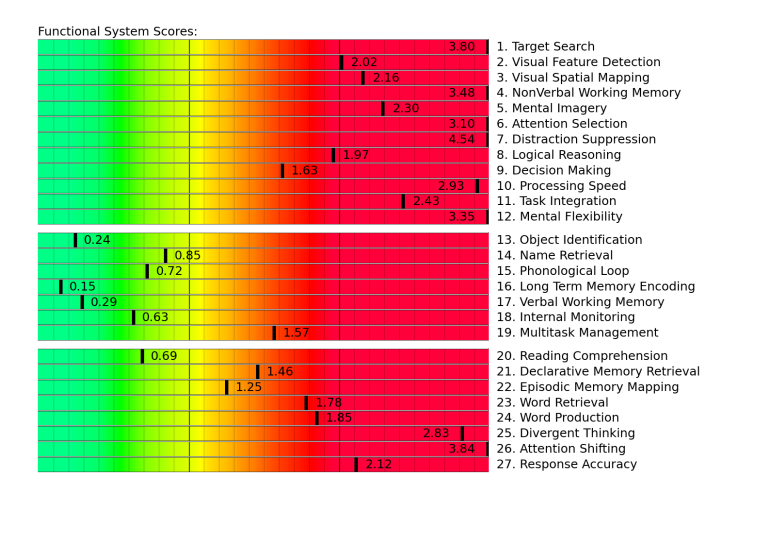
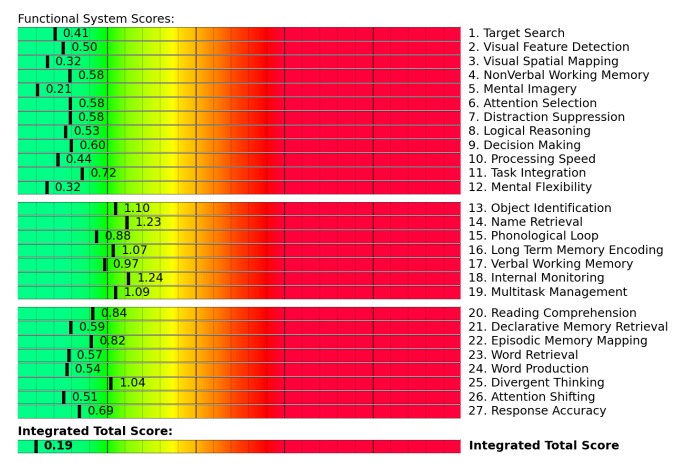
Patients also go through a special type of brain imaging scan, called [functional NeuroCognitive Imaging (fNCI)](https://www.cognitivefxusa.com/about-fnci), to determine how and where the TIA affected their brain function. This scan assesses about 100 different areas in the brain and how those regions communicate with each other while the patient carries out a series of standardized cognitive tasks.

*Example of fNCI results for a stroke patient (scores in red and yellow indicate poor neurovascular coupling):*

![Functional System Scores for a stroke patient](https://www.cognitivefxusa.com/hs-fs/hubfs/functional-system-scores-red.png?width=769&height=549&name=functional-system-scores-red.png)

*fNCI results from a patient with healthy neurovascular coupling for comparison:*

![Functional System Scores for a healthy patient](https://www.cognitivefxusa.com/hs-fs/hubfs/functional-system-scores-1.jpg?width=689&height=470&name=functional-system-scores-1.jpg)

Combining all of this information allows our **multidisciplinary team **(made up of experts in neuroscience, neuropsychology, physical and occupational therapy, psychotherapy, and more) to design a **customized treatment plan** to target the areas in the brain that were most affected by the TIA.

These are the two characteristics of Cognitive FX that set our clinic apart from other therapy options and allow us to consistently help our patients see significant improvements in their symptoms.** **The fNCI scan gives us detailed insight into the patient’s brain health to customize treatment. For example, if we see from the fNCI scan that sustained attention is poor, then our therapists can work on more exercises to improve that specific function during treatment week.

Second, instead of being treated by doctors and therapists from different offices who don’t communicate or coordinate with one another (with appointments spread out over weeks or months at a time), our multidisciplinary team works closely together so that every aspect of treatment is tightly coordinated. We even have a Slack channel where we share notes throughout the day on how each patient is responding to therapy, what needs to change in an upcoming session, and anything the next therapist should consider.

During treatment week, patients go through an evidence-based, three-step cycle that is repeated several times a day: Prepare, Activate, and Recover. The goal is to restore normal neurovascular coupling, recover normal function of the [autonomic nervous system](https://www.cognitivefxusa.com/blog/post-concussion-autonomic-dysfunction-dysautonomia), and reduce the incidence and severity of long-term symptoms from the TIA.

![EPIC Treatment exercise on an elliptical](https://www.cognitivefxusa.com/hs-fs/hubfs/EPIC%20Treatment%20on%20elliptical%20%5BV1%5D.jpeg?width=2500&height=1667&name=EPIC%20Treatment%20on%20elliptical%20%5BV1%5D.jpeg)

#### **Prepare**

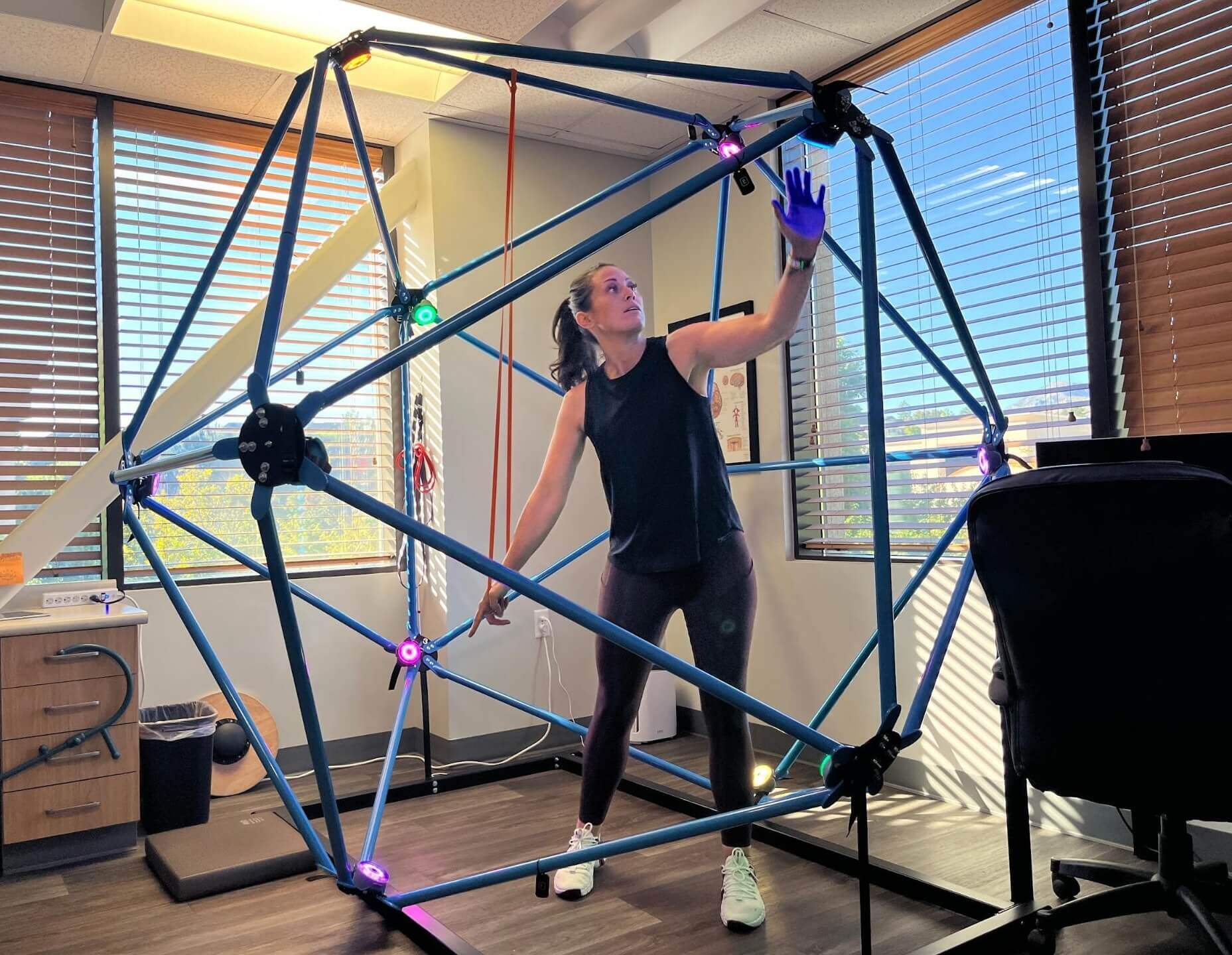
Typically, sessions start with a period of aerobic exercise intervals (usually on a treadmill or stationary bike) to take advantage of a phenomenon in the brain called post-exercise cognitive boost ([PECB](https://pubmed.ncbi.nlm.nih.gov/32547460/)). PECB triggers the release of chemicals in the brain, including a compound called brain-derived neurotrophic factor ([BDNF](https://pubmed.ncbi.nlm.nih.gov/36090919/)). BDNF promotes the growth of brain cells and improves communication between different areas of the brain. In turn, this helps the patient's brain become more flexible and boosts the effect of subsequent therapy.

Patients who struggle with physical activity still make remarkable progress in these sessions. Our therapists are trained to work around exercise intolerance and to help patients recover without triggering severe symptoms.
![EPIC treatment exercise - reaching up](https://www.cognitivefxusa.com/hs-fs/hubfs/EPIC%20treatment%20exercise%20-%20reaching%20up.jpg?width=1857&height=1440&name=EPIC%20treatment%20exercise%20-%20reaching%20up.jpg)

#### **Activate**

After exercise, patients attend a variety of therapies, including:

- [Cognitive therapy](https://www.cognitivefxusa.com/blog/cognitive-therapy-for-brain-injury)
- Sensorimotor therapy
- [Neuromuscular therapy](https://www.cognitivefxusa.com/blog/physical-therapy-for-post-concussion-syndrome)
- Dynavision therapy
- Occupational therapy
- Neurointegration therapy
- [Vision and vestibular therapy](https://www.cognitivefxusa.com/blog/vestibular-therapy-for-concussion-symptoms)
- Psychotherapy
- And more

Most patients receive all or most of these therapies during their visit, but the exact regimen for each person is unique to them. Many sessions often include cross-disciplinary exercises. For example, our therapist may ask you to balance on a Bosu ball, toss color-coordinated tennis balls back and forth, and name an animal for each letter of the alphabet, all at the same time. This forces your brain to activate areas involved in balance, hand-eye coordination, and word recall while encouraging healthy neurovascular coupling.

#### **Recover**

The last step involves activities to help patients relax and rest between therapies. This may include neuromuscular massage of the neck and shoulders, breathing and mindfulness exercises, and listening to Brainwaves (which work similarly to meditation).

![Dr. Alina Fong meeting with a patient](https://www.cognitivefxusa.com/hs-fs/hubfs/Dr.%20Alina%20Fong%20with%20a%20patient%20at%20Cognitive%20FX%20(V2).jpg?width=1557&height=1072&name=Dr.%20Alina%20Fong%20with%20a%20patient%20at%20Cognitive%20FX%20(V2).jpg)

**At the end of treatment, patients also undergo a follow-up scan to check on the progress they’ve made.** Then, they meet with one of our therapists to read their results and receive a series of exercises to do at home. This homework typically includes physical exercises, cognitive activities, visual and vestibular exercises, and relaxation techniques. We recommend that patients do these exercises for about an hour five times a week at first, but this frequency can be gradually reduced as symptoms improve. For patients who need further therapy, we also recommend suitable specialists.

*To determine if our program is right for you, *[*schedule a consultation*](https://www.cognitivefxusa.com/get-started)* with our team*.

## Frequently Asked Questions About TIAs

### How Is a TIA Different From a Stroke?

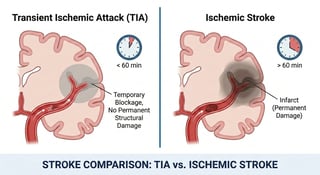
The main differences between a TIA and a stroke are the duration and severity of symptoms. TIAs usually resolve by themselves after a few minutes or hours. In contrast, with a stroke, symptoms will continue or worsen until patients receive medical care. The longer it takes for a stroke to be treated, the greater the risk that more brain tissue will be damaged.

### How Long Does a TIA Last?

TIA symptoms usually start suddenly and are similar to those of stroke but do not last as long. Most symptoms of a TIA disappear within an hour, although they may persist for up to 24 hours.

### What Is the Life Expectancy After a TIA?

The prognosis after a mini-stroke varies depending on several factors, including the patient’s health, the severity of the TIA, and how quickly they received treatment. [Studies](https://pmc.ncbi.nlm.nih.gov/articles/PMC6529772/) show that TIAs reduce life expectancy by 4% in the first year after the attack and 20% in the following 9 years.

### Do TIAs Always Lead to Major Strokes?

No, TIAs don’t always lead to strokes, but they significantly increase the risk. The risk of stroke is around [4–9% within 90 days](https://www.ncbi.nlm.nih.gov/books/NBK459143/) of having a TIA. If the patients don’t receive treatment, their risk of stroke within the following 5 years increases to around 20–30%.

### How Long Does It Take to Recover From a TIA?

TIA patients usually feel better within a couple of days to a couple of weeks after the event. But if you’re having lingering symptoms, it’s hard to say exactly what recovery will look like. It depends on which parts of your brain are injured, how well your brain learns to route around them, and how good your treatment program is. That said, we’re firm believers that you can always keep recovering if you work at it, even when you’re finished with therapy.

### What Are the Common Causes of TIA?

The [etiology](https://emedicine.medscape.com/article/1910519-overview?form=fpf#a4), or potential underlying causes, of a TIA include the following:

- **Atherosclerosis: **The thickening or hardening of extracranial carotid and vertebral or intracranial arteries.
- **Embolic/cardioembolic sources:** When an embolism occurs, a blood clot forms elsewhere in the body and travels through the bloodstream to the brain.
- **Thrombotic sources: When thrombosis occurs, a blood clot forms in the blood vessels in the brain.**
- **Arterial dissection:** Tears to the inside of an artery.
- **Arteritis**: Inflammation of the arteries.
- **Sympathomimetic drugs: **Drugs that mimic the stimulation of the sympathetic nervous system (e.g. cocaine).
- **Mass lesions: **A patch or area of abnormal tissue caused by an injury or disease (e.g. tumors or subdural hematomas).
- **Hypercoagulable states: **When patients have laboratory abnormalities or clinical conditions that are associated with an increased risk of thrombosis (pre-thrombotic states) or if they have recurrent thrombosis without recognizable predisposing factors (thrombosis-prone).

**TIA etiologies in children, which can differ from those in adults, include the following:**

- Congenital heart disease with cerebral thromboembolism (most common)
- Drug abuse (e.g. cocaine)
- Clotting disorders
- Central nervous system infection
- Neurofibromatosis
- Vasculitis
- Idiopathic progressive arteriopathy of childhood (moyamoya)
- Fibromuscular dysplasia
- Marfan disease
- Tuberous sclerosis
- Tumor
- Sickle cell disease
- Focal arteriopathies

### How Are TIAs Diagnosed?

The [common practices for diagnosing](https://emedicine.medscape.com/article/1910519-workup) transient ischaemic attacks include:

- Laboratory tests
- Noncontrast cranial computed tomography (CT scan of the brain)
- Magnetic resonance imaging (MRI)
- Vascular/cerebrovascular imaging studies
- Cardiac imaging and monitoring (inpatient telemetry or Holter monitoring)
- Risk stratification scores (used to ensure that diagnostic and therapeutic interventions are prioritized for high-risk patients)

### I Received Acute Treatment After the Original Injury, but I’m Still Struggling with Some Symptoms — What Should I Do?

As we discussed above, sometimes acute mini-stroke treatment does not resolve all symptoms. Some patients experience slowly worsening symptoms and/or new symptoms. Others simply don’t find relief after trying acute therapies which are often done in isolation of each other.

If that’s the case, it’s important to find medical professionals who specialize in treating the long-term after-effects of TIAs and who have the multidisciplinary treatment capabilities needed to promote recovery.

To see if our team at Cognitive FX can help you, [schedule a consultation](https://www.cognitivefxusa.com/consultation).

---

![Image of Dr. Alina Fong, Ph.D.](https://www.cognitivefxusa.com/hs-fs/hubfs/Alina_150px.webp?height=150&name=Alina_150px.webp)

### About the author

[Dr. Alina Fong, Ph.D.](https://www.cognitivefxusa.com/blog/author/dr-alina-fong-phd)

Alina Fong, Ph.D. is a clinical neuropsychologist and the Clinical Director and Co-Founder of Cognitive FX. She earned her Ph.D. in Clinical Neuropsychology with an emphasis in Neuroimaging from Brigham Young University, where she received the American Psychological Association Division 40 Graduate Student Research Award for her neuroimaging research. Dr. Fong has over 17 years of clinical experience treating traumatic brain injury, beginning with her work at the VA Salt Lake City Healthcare System and Utah Valley Regional Medical Center, where she directed the neurotrauma rehabilitation and sports concussion clinics. She developed the EPIC Treatment protocol and has personally overseen treatment for nearly 8,000 brain injury patients, including professional athletes from the NFL, NHL, and Olympics. She serves as Vice President of the Brain Injury Alliance of Utah, sits on the board of the United States Brain Injury Alliance, and advises PINK Concussions. Dr. Fong has authored peer-reviewed research on functional MRI and concussion treatment and has presented at over 60 medical conferences, including the Federal Interagency Conference on TBI and the American Medical Society for Sports Medicine.

[Follow me on my website ](https://www.cognitivefxusa.com/dr-alina-k-fong-phd)

## Related Posts

![Post Concussion Syndrome](https://www.cognitivefxusa.com/hs-fs/hubfs/Post%20Concussion%20Syndrome%20Person.png?height=175&name=Post%20Concussion%20Syndrome%20Person.png)

### Post-Concussion Syndrome: Why Your Symptoms Linger & How to Truly Recover

![Image of Dr. Alina Fong, Ph.D.](https://www.cognitivefxusa.com/hs-fs/hubfs/Alina_150px.webp?height=70&name=Alina_150px.webp)

[Dr. Alina Fong, Ph.D.](https://www.cognitivefxusa.com/blog/author/dr-alina-fong-phd)

You've done everything your doctor told you to do. You rested in a dark room for weeks. You took the medications. You went to physical therapy. You've seen three different neurologists. Your CT scan...

[Read the full article

](https://www.cognitivefxusa.com/blog/post-concussion-syndrome-why-your-symptoms-linger-how-to-recover)

![TBIs and Sexual Dysfunction: Causes and Treatment](https://www.cognitivefxusa.com/hs-fs/hubfs/tbi-sexual-dysfunction.jpg?height=175&name=tbi-sexual-dysfunction.jpg)

### TBIs and Sexual Dysfunction: Causes and Treatment

![Image of Dr. Alina Fong, Ph.D.](https://www.cognitivefxusa.com/hs-fs/hubfs/Alina_150px.webp?height=70&name=Alina_150px.webp)

[Dr. Alina Fong, Ph.D.](https://www.cognitivefxusa.com/blog/author/dr-alina-fong-phd)

Traumatic brain injuries (TBIs) can change how a person experiences and expresses their sexuality. For some, the effects are subtle. For others, head injuries can cause dramatic changes to their sex...

[Read the full article

](https://www.cognitivefxusa.com/blog/tbi-sexual-dysfunction)

![Post-TIA Fatigue: Why Am I So Tired?](https://www.cognitivefxusa.com/hs-fs/hubfs/post-tia-fatigue-tiredness.jpg?height=175&name=post-tia-fatigue-tiredness.jpg)

### Post-TIA Fatigue: Why Am I So Tired?

![Image of Dr. Alina Fong, Ph.D.](https://www.cognitivefxusa.com/hs-fs/hubfs/Alina_150px.webp?height=70&name=Alina_150px.webp)

[Dr. Alina Fong, Ph.D.](https://www.cognitivefxusa.com/blog/author/dr-alina-fong-phd)

After experiencing a transient ischemic attack (TIA) — often called a mini-stroke — it’s common to struggle with **persistent physical and mental fatigue**. This exhaustion can significantly impact daily...

[Read the full article

](https://www.cognitivefxusa.com/blog/post-tia-fatigue-tiredness)

![Emotions, Memory, and More: The After Effects of Transient Ischemic Attack (TIA or Mini-Stroke)](https://www.cognitivefxusa.com/hs-fs/hubfs/after-effects-of-transient-ischemic-attack.png?height=175&name=after-effects-of-transient-ischemic-attack.png)

### The After Effects of Transient Ischemic Attack | Cognitive FX

![Image of Dr. Alina Fong, Ph.D.](https://www.cognitivefxusa.com/hs-fs/hubfs/Alina_150px.webp?height=70&name=Alina_150px.webp)

[Dr. Alina Fong, Ph.D.](https://www.cognitivefxusa.com/blog/author/dr-alina-fong-phd)

Here’s something you probably won’t hear in the emergency room: A transient ischemic attack (TIA, or mini-stroke) can have symptoms that last for months or years afterward.

Many healthcare providers...

[Read the full article

](https://www.cognitivefxusa.com/blog/after-effects-of-transient-ischemic-attack)

![](https://www.cognitivefxusa.com/hs-fs/hubfs/TIA%20vs%20Ishemic%20Stroke.jpg?height=175&name=TIA%20vs%20Ishemic%20Stroke.jpg)

### TIA vs. Stroke: What's the Difference Between a Mini Stroke and a Stroke?

![Image of Lynn Gaufin](https://www.cognitivefxusa.com/hs-fs/hubfs/ATeam%20Headshots/Headshots-Cut/Lynn-Guafin.jpg?height=70&name=Lynn-Guafin.jpg)

[Lynn Gaufin](https://www.cognitivefxusa.com/blog/author/dr-alina-fong-phd)

A transient ischemic attack (TIA) is a temporary blockage of blood flow to the brain that produces the same symptoms as a stroke but resolves without visible infarction on MRI. About 1 in 10 people...

[Read the full article

](https://www.cognitivefxusa.com/blog/tia-vs.-stroke-whats-the-difference-between-a-mini-stroke-and-a-stroke)

![Transient Ischemic Attack (Mini-Stroke) Supportive Therapy Guide](https://www.cognitivefxusa.com/hs-fs/hubfs/transient-ischemic-attack-supportive-therapy.jpeg?height=175&name=transient-ischemic-attack-supportive-therapy.jpeg)

### TIA Rehabilitation Guide: Recovery Therapy After Mini Stroke | Cognitive FX

![Image of Dr. Alina Fong, Ph.D.](https://www.cognitivefxusa.com/hs-fs/hubfs/Alina_150px.webp?height=70&name=Alina_150px.webp)

[Dr. Alina Fong, Ph.D.](https://www.cognitivefxusa.com/blog/author/dr-alina-fong-phd)

You survived a transient ischemic attack. Your doctors told you it was a "warning stroke" and sent you home with medications and lifestyle advice. But weeks later, you're still experiencing brain...

[Read the full article

](https://www.cognitivefxusa.com/blog/transient-ischemic-attack-supportive-therapy)

#### Proven Results Improvement in 77% of Participants

 Published peer-reviewed research shows that Cognitive FX treatment leads to meaningful symptom reduction in post-concussion symptoms for 77% of study participants. Cognitive FX is the only PCS clinic with third-party validated treatment outcomes. 

[ READ FULL STUDY ](https://www.tvnp.nl/inhoud/tijdschrift_artikel/NP-19-2-3/Cognitive-FX-behandeling-voor-aanhoudende-klachten-na-een-hersenschudding-Observatie-van-verandering-in-functioneren)

[![Main_Logo_500px](https://www.cognitivefxusa.com/hs-fs/hubfs/Main_Logo_500px.png?width=257&height=78&name=Main_Logo_500px.png "Main_Logo_500px")](https://www.cognitivefxusa.com)

Comprehensive Traumatic Brain Injury Treatment

280 W River Park Drive Suite 110 Provo, UT 84604

[Follow us on Facebook ](https://www.facebook.com/cognitivefx) [Follow us on Instagram ](https://www.instagram.com/cognitive_fx)

#### Quick Links

- [Blog](https://www.cognitivefxusa.com/blog)
- [Sign-Up for Free Consultation](https://www.cognitivefxusa.com/start-here-paperwork-old)

#### Support

- [Contact Us](https://www.cognitivefxusa.com/contactus)
- [Patient Results](https://www.cognitivefxusa.com/treatment-outcomes)
- [Privacy Policy](https://www.cognitivefxusa.com/privacypolicy)
- [Terms & Conditions](https://www.cognitivefxusa.com/terms-and-conditions)

#### Solutions

- [Good Fit Quiz](https://www.cognitivefxusa.com/start-here-paperwork-old)
- [EPIC Treatment](https://www.cognitivefxusa.com/treatment)
- [Post-Concussion Syndrome Information](https://www.cognitivefxusa.com/blog/post-concussion-syndrome-and-post-concussion-symptoms-pcs)
- [fNCI Brain Scan](https://www.cognitivefxusa.com/about-fnci)
- [Online Course](https://cognitivefx.thinkific.com/courses/headaches)

#### Company

- [About](https://www.cognitivefxusa.com/research-history)
- [Press & Media](https://www.cognitivefxusa.com/media)
- [Our Team](https://www.cognitivefxusa.com/our-team)

### Sign Up For Our Newsletter

Copyright © Cognitive FX 2024. All Rights Reserved. | [Privacy Policy](https://www.cognitivefxusa.com/blog/transient-ischemic-attack-treatment-options#)

```json
{
  "@context" : "https://schema.org",
  "@type" : "BlogPosting",
  "author" : {
    "@type" : "Person",
    "name" : "Dr. Alina Fong, Ph.D.",
    "url" : "https://www.cognitivefxusa.com/blog/author/dr-alina-fong-phd"
  },
  "dateModified" : "2025-01-17T00:54:10.863Z",
  "datePublished" : "2025-01-16T21:47:25.000Z",
  "headline" : "Treatment Options for Transient Ischemic Attack (Mini-Stroke)",
  "image" : [ "https://www.cognitivefxusa.com/hubfs/transient-ischemic-attack-treatment-options.jpg" ],
  "mainEntityOfPage" : {
    "@id" : "https://www.cognitivefxusa.com/blog/transient-ischemic-attack-treatment-options",
    "@type" : "WebPage"
  },
  "publisher" : {
    "@type" : "Organization",
    "logo" : {
      "@type" : "ImageObject",
      "url" : "https://www.cognitivefxusa.com/hubfs/Cognitive-Final-Logo-BlBlk-Med.png"
    },
    "name" : "Cognitive FX"
  }
}
```

```json
{
  "@context" : "https://schema.org",
  "@type" : "Article",
  "about" : {
    "@type" : "MedicalCondition",
    "name" : ""
  },
  "audience" : {
    "@type" : "Audience",
    "audienceType" : [ "patient", "caregiver" ]
  },
  "author" : {
    "@type" : "Person",
    "affiliation" : {
      "@type" : "MedicalOrganization",
      "name" : "Cognitive FX",
      "url" : "https://www.cognitivefxusa.com"
    },
    "name" : "Dr. Alina Fong, Ph.D."
  },
  "dateModified" : "17 January, 2025",
  "datePublished" : "2025-01-16 21:47:25",
  "description" : "Discover treatment options for transient ischemic attacks (TIAs), including symptom management, long-term effects, and strategies to prevent future strokes.",
  "headline" : "Treatment Options for Transient Ischemic Attack (Mini-Stroke)",
  "image" : "",
  "mainEntityOfPage" : {
    "@id" : "https://www.cognitivefxusa.com/blog/transient-ischemic-attack-treatment-options",
    "@type" : [ "MedicalWebPage" ],
    "breadcrumb" : {
      "@type" : "BreadcrumbList",
      "itemListElement" : [ {
        "@type" : "ListItem",
        "item" : "https://www.cognitivefxusa.com",
        "name" : "Cognitive FX Home",
        "position" : 1
      }, {
        "@type" : "ListItem",
        "item" : "https://www.cognitivefxusa.com/blog",
        "name" : "Blog Home",
        "position" : 2
      }, {
        "@type" : "ListItem",
        "item" : "https://www.cognitivefxusa.com/blog/transient-ischemic-attack-treatment-options",
        "name" : "Treatment Options for Transient Ischemic Attack (Mini-Stroke)",
        "position" : 3
      } ]
    },
    "lastReviewed" : "1737075250867",
    "reviewedBy" : {
      "@type" : "Person",
      "name" : ""
    }
  },
  "publisher" : {
    "@type" : "Organization",
    "brand" : {
      "@type" : "Organization",
      "name" : "Cognitive FX",
      "sameAs" : [ "https://www.linkedin.com/in/cognitive-fx-usa/", "https://www.instagram.com/cognitive_fx/", "https://twitter.com/cognitivefx", "https://www.facebook.com/cognitivefx/", "https://www.pinterest.com/cognitivefx/", "https://www.tiktok.com/@cognitivefx" ]
    },
    "name" : "Cognitive FX",
    "url" : "https://www.cognitivefxusa.com"
  }
}
```