Antibiotics Killed the Lyme—So Why Do You Still Feel This Way?

You did everything right.


Published peer-reviewed research shows that Cognitive FX treatment leads to meaningful symptom reduction in post-concussion symptoms for 77% of study participants. Cognitive FX is the only PCS clinic with third-party validated treatment outcomes.
READ FULL STUDY
If you've searched "is Lyme brain fog permanent" or "will I ever think clearly again," you're not alone. And more importantly, you deserve a real answer based on actual science, not empty reassurances.
The research tells us Lyme brain fog is typically not permanent. Recent neuroimaging work has revealed something remarkable: your brain isn't just passively waiting to get better. It's actively working to heal itself, and there is now measurable evidence of that repair.
The consensus among Lyme disease specialists is that cognitive symptoms in Post-Treatment Lyme Disease (PTLD) represent functional disruptions in how the brain processes information, not permanent structural destruction. This distinction matters enormously for your prognosis.
Recent brain imaging work has shown that while PTLD causes real, measurable changes in brain function, these changes don't represent the kind of irreversible damage many patients fear. The brain fog you're experiencing is more like a communication problem between brain regions than actual brain cell death.
Roughly 14% of patients with well-documented, promptly-treated Lyme disease go on to meet criteria for PTLD, meaning most return to their previous health within six months. Among those who do develop PTLD, many continue to improve over the following months and years.
Why your symptoms persist after antibiotics and when it's time to seek specialized treatment
Johns Hopkins neuroimaging reveals measurable changes
Even after antibiotics eliminate the bacteria, inflammation continues in 8+ brain regions. Your immune system keeps fighting a war that's already over.
Your brain can't efficiently direct blood to the areas doing the work. This neurovascular coupling dysfunction means your brain works harder for less result.
The "wiring" connecting brain regions shows abnormal activation patterns. Information travels through inefficient detours instead of direct pathways.
Your brain has remarkable healing capacity, but without intervention it often forms inefficient workarounds rather than optimal pathways. These compensatory patterns become entrenched over time. The longer dysfunction persists, the more your brain "learns" the wrong way to operate.
When symptoms persist, timing matters
Functional brain imaging can identify exactly what's disrupted and guide targeted treatment to address the root cause.
Get a Free ConsultationWhen you're living with brain fog day after day, month after month, it's natural to assume something is fundamentally broken. Your symptoms are real, and your struggle is valid. But understanding why your brain is struggling can actually provide hope.
Think of it this way: if your car won't start, the problem could be a dead battery (functional) or a cracked engine block (structural). A dead battery feels catastrophic when you're stranded, but it's fixable. A cracked engine block is a different story.
What the research shows is that PTLD cognitive symptoms typically behave more like the dead battery scenario. Your brain's hardware is largely intact. The problem is how different regions are communicating with each other and how efficiently blood flow is being directed to active areas.
PTLD patients often show unusual patterns of brain activation during cognitive tasks. When performing memory or attention exercises, their brains recruit different pathways which need to work harder to achieve the same results. This explains why mental tasks feel so exhausting, but it also demonstrates something important: the underlying neural architecture is still there.
This pattern of compensatory activation has been observed across multiple post-infectious conditions, including brain-structure changes documented after SARS-CoV-2 infection and long COVID brain fog. The brain finds workarounds, which is tiring and inefficient, but it also shows the system is adapting rather than deteriorating.
PET imaging has documented elevated glial activation across eight brain regions in PTLD patients, a marker of neuroinflammation that persists after the Lyme bacteria have been eliminated and likely contributes to cognitive symptoms.
Inflammation is designed to resolve. Your brain has built-in mechanisms to transition from an inflammatory state back to normal function, and a class of specialized pro-resolving mediators derived from omega-3 fatty acids actively works to dial down neuroinflammation and restore cellular homeostasis. This isn't passive waiting. It's an active biological process.
In 2022, a groundbreaking neuroimaging study fundamentally changed how we understand PTLD recovery. The findings were counterintuitive and deeply encouraging.
Researchers used Diffusion Tensor Imaging (DTI) to examine white matter microstructure in PTLD patients. White matter is the brain's communication highway, the cables that connect different regions. What they found surprised everyone.
Patients who had been sick longer showed higher axial diffusivity in certain white matter regions. Conventionally, you might expect longer illness to mean more damage. But here's the key finding: higher axial diffusivity correlated with fewer symptoms, not more.
Patients with higher diffusivity reported fewer total symptoms, fewer neurological symptoms, and fewer cognitive symptoms. The researchers interpreted this as evidence that white matter axial diffusivity may be a marker of healing during PTLD.
In plain terms: The longer patients had been managing their condition, the more evidence there was of white matter repair, and the better they actually felt. The brain wasn't progressively deteriorating. It was progressively healing.
Follow-up work tracked patients from acute Lyme infection through recovery, and found that patients who mounted a robust early white matter response were more likely to recover fully. Those lacking this early response were more prone to developing PTLD.This might sound discouraging if you're already dealing with PTLD.
But here's the important nuance: Even patients with delayed responses still showed the capacity for improvement. The early response predicted faster recovery, not the only path to recovery.
Your brain has an inherent capacity for self-repair called neuroplasticity. This isn't wishful thinking; it's fundamental neuroscience. The brain can form new neural connections, strengthen existing ones, and recruit alternative pathways throughout your entire life.
The question isn't whether your brain can heal. The question is how to optimize the conditions for that healing.
Physical exercise is one of the most effective interventions for promoting brain healing. When you exercise, your brain releases Brain-Derived Neurotrophic Factor (BDNF), often called "fertilizer for the brain." BDNF promotes:
A single session of aerobic exercise produces a moderate acute rise in BDNF, and the response strengthens with regular training. At the molecular level, the ketone body β-hydroxybutyrate rises during prolonged exercise and directly drives BDNF gene expression in the hippocampus.
Practical recommendation: Aim for 30 minutes of moderate-to-vigorous aerobic activity, five days per week. If you're dealing with fatigue, start with whatever you can tolerate and gradually increase. Even 10-minute walks provide some benefit.
Just as physical exercise strengthens muscles, cognitive exercise strengthens neural pathways. This doesn't mean downloading brain training apps and hoping for the best. It means engaging in activities that challenge your brain in varied ways.
Effective cognitive rehabilitation involves structured exercises targeting attention, memory, processing speed, and executive function. Working with a therapist who understands post-infectious cognitive dysfunction can help you push your brain appropriately without overwhelming it.
At home, new learning is particularly valuable. Learning a genuinely new skill, like a language, a musical instrument, or a new craft, drives measurable structural change in the brain in a way that repetitive familiar tasks do not. One landmark study found grey-matter expansion in visual and motor regions after three months of juggling training, with those changes reversing when practice stopped.
Since neuroinflammation plays a role in PTLD symptoms, interventions that support inflammation resolution may help. The omega-3 fatty acids EPA and DHA are the biological precursors to the resolvins, protectins, and maresins that end an inflammatory response, which is why marine-source omega-3s are a reasonable dietary support.
A Mediterranean-style diet rich in fish, olive oil, vegetables, and nuts provides both omega-3s and other anti-inflammatory compounds. Sleep is equally critical: the brain's glymphatic waste-clearance system is roughly 60% more active during sleep, when interstitial space opens up and cerebrospinal fluid can flush inflammatory metabolites.
For patients whose symptoms haven't resolved with time and basic interventions, structured cognitive rehabilitation can accelerate recovery significantly.
Multimodal rehabilitation combining physical therapy, cognitive training, and psychological support consistently produces the strongest outcomes after acquired brain injury, by leveraging the brain's adaptive plasticity rather than working against it.
Similar principles apply in other post-infectious conditions: an outpatient neuropsychological rehabilitation programme for post-COVID-19 syndrome produced meaningful gains in memory, attention, and executive function that were largely maintained at six-month follow-up.
The principle is the same across conditions: targeted, intensive rehabilitation leverages neuroplasticity more effectively than passive waiting. The brain responds to demands placed on it. Strategic demands, appropriately dosed, drive adaptive change.
You're not alone. Millions of people share your experience, and the research is finally catching up.
PTLD symptoms are dramatically different from everyday fatigue or discomfort experienced by healthy adults
At 6 months, symptoms are officially PTLD. At this point, passive waiting is unlikely to produce significant improvement. Targeted treatment can change the trajectory.
Join the thousands who have found answers and recovery through brain-focused treatment. Your symptoms have a cause, and that cause can be addressed.
Get Your Free Consultation
Recovery from PTLD is rarely linear. This is important to understand so you don't lose hope during the inevitable setbacks.
You might have a week where you feel almost normal, followed by days where the fog rolls back in. This doesn't mean you're getting worse or that recovery has stalled. Healing happens in waves.
Many patients describe recovery as "more good days than bad." At first, you might have one good day per week. Then two. Then the good days start stringing together, with occasional bad days interrupting. Eventually, the bad days become rare exceptions rather than the norm.
Based on available research, here's a general framework for what to expect:
0-6 months post-treatment: This is typically the period of greatest improvement. Many patients see significant gains as acute inflammation resolves and the brain begins compensating more effectively.
6-12 months: Continued improvement, though often at a slower pace. Patients who haven't seen much change may benefit from structured intervention at this point.
1-2 years: Gradual ongoing improvement. Most patients have reached a new baseline by this point, though some continue making gains.
2+ years: Slow continued improvement is still possible. The brain retains its capacity for adaptive, structural, and functional reorganization throughout adult life.
Based on both research and clinical experience with similar conditions, here's what tends to support recovery:
Helpful:
Less helpful:
The goal is finding the sweet spot: enough challenge to drive neuroplasticity, but not so much that you crash and set yourself back.
If you're reading this months or years into your PTLD journey, you might feel like you've already tried everything. But consider this: every day your brain has been working to adapt and heal. Research suggests that even without intervention, your brain is moving in the right direction.
The question now is how to support and accelerate that process.
Some patients recover with time and basic self-care. Others benefit from more structured approaches. Clinics that specialize in post-infectious cognitive rehabilitation can provide the kind of targeted, intensive treatment that leverages neuroplasticity most effectively.
At Cognitive FX, we've seen similar patterns in patients with post-concussion syndrome and Long COVID. The underlying mechanism of neurovascular coupling dysfunction appears similar across these conditions. Our EPIC treatment protocol produces an average 75% improvement in brain function for post-concussion patients, with benefits that persist at six-month follow-up. Many patients with post-infectious cognitive dysfunction show similar responses.
The imaging findings that opened this article point toward a specific kind of solution. If PTLD brain fog is driven by measurable, localized dysfunction — white matter abnormalities in the frontal lobe, compensatory activation across alternative pathways, persistent neuroinflammation — then the treatment that has the best chance of working is one that maps that dysfunction and targets it directly. EPIC Treatment was built on exactly that principle.
The program is a one-week intensive in Provo, Utah, designed for patients whose cognitive symptoms have persisted six months or longer without meaningful improvement. It rests on three pillars.
Every EPIC week begins with an fNCI brain scan — a specialised fMRI protocol that measures blood flow and activity across 56 brain regions while the patient performs cognitive tasks. Standard MRI shows structure. fNCI shows function. For a PTLD patient whose imaging has always come back "normal," this is often the first objective evidence that something specific is happening in specific places. The scan identifies which regions are hyperactive, which are hypoactive, and where neurovascular coupling — the moment-to-moment coordination between neural activity and blood flow — has fallen out of sync.
That map becomes the treatment plan. Rather than working through a generic cognitive rehabilitation protocol and hoping the right circuits get engaged, the therapy team knows on day one which areas to prioritise.
EPIC compresses months of conventional therapy into five full days. Patients rotate through neuromuscular therapy, cognitive therapy, occupational therapy, vision and vestibular work, sensory integration, and psychology sessions — all calibrated to the dysfunction patterns visible on the initial scan. The daily structure follows a Prepare–Activate–Rest cycle: aerobic work first to lift cerebral blood flow and prime BDNF release, then targeted cognitive and sensory-motor challenges, then planned recovery to consolidate neuroplastic change. A team of roughly 14 doctors, therapists, and technicians moves through each patient's schedule during the week.
The intensive format matters because neuroplasticity responds better to concentrated, repeated demand than to weekly appointments spread over months. This is the same rationale behind intensive rehabilitation for stroke and traumatic brain injury, and it applies equally to post-infectious brain dysfunction.
The week ends with a second fNCI scan. Rather than relying on how the patient feels — which is often unreliable after years of being unwell — the second scan is compared directly against the first, quantifying which regions changed and by how much. Patients leave with a documented picture of what improved, plus a personalised at-home programme built from what the therapy team observed during the week. The care team follows up periodically for months afterwards.
EPIC was developed for post-concussion syndrome, but the underlying mechanism it targets — neurovascular coupling dysfunction, disrupted network communication, and inflammation-related metabolic changes — is the same mechanism now documented in PTLD brains. That overlap is why the same protocol is offered to patients with viral and post-infectious brain injury, including Post-Treatment Lyme, long COVID, and post-encephalitic syndromes.
Across all patients treated, independent peer-reviewed analysis by researchers at the University Medical Center Groningen found that 77% experienced meaningful symptom reduction after treatment, with improvements sustained at six-month follow-up. The average patient reduces symptoms by roughly 60% by the end of the treatment week and continues improving in the months afterward as the at-home programme compounds. These are the only third-party validated outcomes in the field.
EPIC is designed for patients who match a specific profile: cognitive dysfunction — brain fog, memory problems, slowed thinking — that has not resolved with time or standard care, six months or longer since infection, normal or near-normal results on routine imaging and lab work, and cognitive symptoms severe enough to affect work, school, or daily life. Patients whose primary problem is pain or fatigue without significant cognitive involvement are typically better served by other approaches.
If Lyme brain fog has kept you from working, thinking clearly, or living the life you had before infection, EPIC Treatment may be worth considering. Start with a free consultation with one of our practitioners, or take the Good Fit Quiz to see whether treatment is right for you.
If your cognitive symptoms haven't resolved and you're ready for answers, consider these options:
For mild symptoms: Focus on the fundamentals: regular exercise, quality sleep, anti-inflammatory nutrition, and gradual cognitive engagement. Give these approaches at least 8-12 weeks of consistent effort.
For moderate symptoms: Consider working with a neuropsychologist or cognitive rehabilitation therapist who understands post-infectious conditions. Structured guidance can help you progress faster than trial and error.
For significant symptoms affecting daily life: Evaluation at a specialized clinic may be worthwhile. Advanced neuroimaging can identify exactly which brain regions are struggling and guide targeted treatment. This is the kind of treatment we offer at Cognitive FX.
Whatever path you choose, remember the core message of this research: your brain fog is real, it's not your fault, and it's not permanent for most people. The science of neuroplasticity offers genuine hope backed by peer-reviewed evidence.
You're not imagining this. You're not "just depressed." And you're not stuck forever.
Your brain is already working to heal. The question is how to help it along.
Most patients see significant improvement within 6-12 months of completing antibiotic treatment. However, some patients experience symptoms for longer periods. Even with extended illness duration, the brain shows evidence of progressive healing. Recovery timelines vary based on factors including symptom severity, how quickly treatment began, and what rehabilitation approaches are used.
Current research suggests that PTLD cognitive symptoms typically represent functional changes rather than permanent structural damage. Recent neuroimaging work in PTLD patients found that white matter changes correlated with healing rather than deterioration.While severe or untreated neurological Lyme disease can potentially cause lasting effects, the brain fog associated with PTLD appears to be reversible for most patients.
Evidence-based approaches include regular aerobic exercise (which increases BDNF and supports neuroplasticity), quality sleep, anti-inflammatory nutrition (particularly omega-3 fatty acids), graduated cognitive challenges, and stress management. For patients with persistent symptoms, structured cognitive rehabilitation can accelerate recovery. Some patients benefit from evaluation and treatment at specialized clinics.
No. PTLD (Post-Treatment Lyme Disease) refers to persistent symptoms after completing appropriate antibiotic treatment, when the active infection has been eliminated. The CDC and medical organizations discourage the term "chronic Lyme disease" because it implies ongoing active infection, which is not supported by evidence in most cases. PTLD symptoms appear to result from the lasting effects of infection on the immune system and brain function, not from persistent bacteria.
Yes. Neuroplasticity, the brain's capacity for adaptive structural and functional change, persists throughout adult life, and patients have experienced improvement even years after their initial infection, particularly with targeted rehabilitation. The brain's capacity for healing doesn't expire, though the pace of improvement may be slower with longer illness duration.

Dr. Lynn Gaufin graduated from the University of Utah and then attended medical school at Cornell University in New York City. After medical school he join the Army and was a surgeon in the military before finishing his Neurological Residency at University of California Los Angeles. Dr. Gaufin specializes in cervical and lumbar spine surgery, brain tumors, brain hemorrhages, and treatment of traumatic brain injuries. Dr. Gaufin is one of the emergency trauma neurosurgeons on call at Utah Valley Hospital. Before he began his practice in Utah he saw a significant amount of traumatic brain injuries during his career in the Army and his residency in Los Angeles. As a surgeon who treats individuals who suffer from mild to severe traumatic brain injuries he recognized a problem in the post operative rehabilitation. Individuals who suffered severe trauma would be admitted into speciality facilities where they would receive months of care. But patients who had a more mild trauma would be released and would largely be on their own when it came to restoring their cognitive function. That problem is what lead Dr. Gaufin to team up with Dr. Fong and Dr. Allen in the creation of Cognitive FX. Cognitive FX was able to take the research that Dr. Fong and Dr. Allen started in their Phd programs and bring it into the clinical environment.

You did everything right.
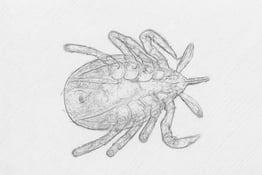
If you completed your Lyme antibiotic course and still can't shake the fatigue, the brain fog, the pain that doesn't have a clear cause, you're not imagining it. The infection cleared, but something...
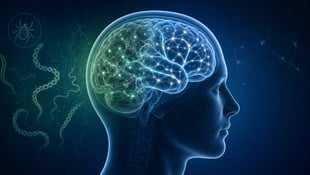
Lyme disease can cause memory loss, and for most people it is reversible. Roughly 10 to 20% of patients treated for Lyme stay sick after the...
Many people are surprised to learn that concussions can have long-term effects if left untreated. Chronic concussion syndrome is a less common term for persistent post-concussion symptoms (also known...
“Eat right and exercise” – this advice is nothing new, you’re tired of hearing it and you’re tempted to tune it out right now – but it’s not going away. In fact, when it comes to brain health, this...

Published peer-reviewed research shows that Cognitive FX treatment leads to meaningful symptom reduction in post-concussion symptoms for 77% of study participants. Cognitive FX is the only PCS clinic with third-party validated treatment outcomes.
READ FULL STUDY
