The room spins when you stand up. A foggy, disconnected sensation follows you through the day. Months after recovering from COVID-19, you still cannot trust your own balance.
You are not imagining this. About 60% of Long COVID patients experience persistent dizziness or vertigo, often lasting nearly a year after infection.
For many, these symptoms become the defining feature of their post-COVID life, affecting everything from work performance to simply walking across a room.
The good news: Long COVID dizziness is treatable. Understanding why your brain and body are responding this way is the first step toward recovery. This guide explains what is happening in your vestibular and nervous systems, why symptoms persist, and what treatment approaches actually work based on current medical research.
Struggling with dizziness that won't resolve?
You don't have to live this way. Our team has helped over 1,000 patients recover from Long COVID symptoms using advanced brain imaging and targeted treatment.
What Causes Dizziness After COVID-19?
Long COVID dizziness is not a single condition. It results from multiple overlapping mechanisms that COVID-19 triggers in your body. Understanding which systems are affected helps determine the right treatment approach.
Direct Damage to Your Vestibular System
Your vestibular system, located in your inner ear, controls balance and spatial orientation. SARS-CoV-2 can directly infect the inner ear, entering through ACE2 receptors present in vestibular hair cells and Schwann cells, which are the same receptors it uses to infect the lungs.This direct infection can cause vestibular neuritis (inflammation of the vestibular nerve), labyrinthitis (inner ear inflammation), and benign paroxysmal positional vertigo (BPPV).
Overall, COVID-19 patients are 2.39 times more likely to develop vestibular disorders than the general population, based on an analysis of the National COVID Cohort Collaborative database.
Autonomic Nervous System Dysfunction
Your autonomic nervous system (ANS) controls involuntary functions like heart rate, blood pressure, and digestion. COVID-19 frequently disrupts this system, leading to a condition called dysautonomia. The most common form in Long COVID patients is POTS, or Postural Orthostatic Tachycardia Syndrome.
When you stand up, your ANS should automatically adjust blood flow to maintain stable blood pressure to your brain. In POTS, this regulation fails. Your heart rate spikes, blood pressure drops, and insufficient blood reaches your brain, causing lightheadedness, dizziness, and sometimes fainting.
Studies suggest that up to 79% of Long COVID patients meet diagnostic criteria for POTS or orthostatic intolerance.
Neuroinflammation and Disrupted Brain Function
Emerging research reveals that Long COVID creates persistent inflammation in the brain. PET imaging has documented widespread neuroinflammatory activity in Long COVID patients that persists more than two years after infection.
This neuroinflammation disrupts neurovascular coupling, the process by which your brain regulates blood flow to active regions. When neurovascular coupling fails, brain areas responsible for processing balance and spatial information cannot function properly. The result is persistent dizziness, brain fog, and difficulty concentrating.
Vascular and Microclot Damage
COVID-19 creates a hypercoagulable state in the body, increasing the risk of blood clots. Microclots can form in the tiny blood vessels supplying your inner ear and brain. The inner ear is particularly vulnerable because it depends on a single small artery for blood supply. Any disruption to this blood flow can cause dizziness, hearing changes, and balance problems.
The Three Types of Long COVID Dizziness
Not all dizziness feels the same. Identifying which type you experience helps healthcare providers determine the underlying cause and appropriate treatment.
Vertigo: The Spinning Sensation
True vertigo creates an illusion of movement, typically a spinning or rotating sensation. You may feel like the room is moving around you, or that you are spinning even while sitting still. Vertigo in Long COVID usually indicates vestibular system involvement, either peripheral (inner ear) or central (brain).
Common triggers include changing head position, rolling over in bed, or looking up. If your vertigo episodes are brief (lasting seconds to minutes) and triggered by specific head movements, you may have BPPV, which is highly treatable with repositioning maneuvers like the Epley technique.
Lightheadedness: The Faint, Woozy Feeling
Lightheadedness creates a sensation of nearly fainting, often described as feeling "woozy" or like you might pass out. This type of dizziness typically worsens when standing and improves when lying down.
Lightheadedness in Long COVID strongly suggests autonomic dysfunction or POTS. Your brain is not receiving adequate blood flow, particularly when you are upright. Symptoms often worsen after meals, in warm environments, or during prolonged standing.
Disequilibrium: The Off-Balance Sensation
Disequilibrium is a sense of unsteadiness or imbalance without the spinning sensation of vertigo or the faintness of lightheadedness. You may feel "drunk" or like you are walking on an uneven surface. This type of dizziness often reflects central nervous system involvement or problems with the brain's integration of vestibular, visual, and sensory information.
Some Long COVID patients develop Persistent Postural-Perceptual Dizziness (PPPD), a chronic condition where the brain becomes hypersensitive to motion and visual stimuli.
Related reading: Understanding Post-Concussion Dizziness
How Long Does Long COVID Dizziness Last?
One of the most frustrating aspects of Long COVID dizziness is the unpredictable timeline. Recovery varies significantly from person to person.
A study of 1,082 Long COVID patients found that many were still experiencing symptoms an average of 43 weeks after infection.
In a two-year follow-up, 43% of COVID patients still reported vestibular symptoms at their follow-up assessments.
Several factors influence recovery time:
- Patients who required hospitalization during acute COVID infection tend to experience longer symptom duration
- Women and those with pre-existing anxiety or vestibular conditions may face longer recovery timelines
- The specific cause of dizziness matters: BPPV often resolves quickly with treatment, while autonomic dysfunction may require months of rehabilitation
The encouraging news is that vestibular compensation does occur. Your brain can adapt to vestibular damage over time, especially with targeted rehabilitation. However, this compensation appears to progress more slowly in Long COVID patients compared to those with typical vestibular disorders, making specialized treatment particularly valuable.
Diagnosing the Source of Your Dizziness
Effective treatment requires accurate diagnosis. Because Long COVID dizziness has multiple potential causes, a thorough evaluation is essential.
Standard Vestibular Testing
Conventional diagnosis may include:
- Videonystagmography (VNG) to assess eye movements
- Video head impulse test (vHIT) to evaluate vestibular reflexes
- Caloric testing to measure inner ear function
These tests help identify peripheral vestibular dysfunction.
For suspected POTS, a tilt table test or active standing test measures how your heart rate and blood pressure respond to position changes.
A diagnosis of POTS requires a sustained heart rate increase of 30 beats per minute (or above 120 bpm) within 10 minutes of standing, without a significant drop in blood pressure.
Advanced Brain Imaging
Standard imaging like MRI and CT scans often appear normal in Long COVID patients, even when symptoms are severe. This is because conventional imaging cannot detect the functional changes occurring in the brain.
Advanced functional brain imaging can reveal what standard tests miss. Technologies that measure blood flow patterns during cognitive tasks can identify which brain regions are not functioning properly. This information allows treatment to be precisely targeted to the affected areas rather than using a one-size-fits-all approach.
Learn more: About fNCI Functional Brain Imaging
Treatment Approaches That Work
Long COVID dizziness responds to treatment, but the approach must address the underlying cause. Most patients benefit from a combination of therapies.
Vestibular Rehabilitation Therapy
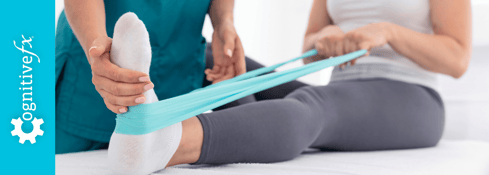
Vestibular rehabilitation therapy (VRT) is the first-line treatment for most vestibular disorders. A physical therapist specializing in vestibular conditions guides you through exercises designed to help your brain compensate for vestibular dysfunction.
Key components include:
- Gaze stabilization exercises to improve visual focus during head movement
- Balance retraining to improve stability
- Habituation exercises to reduce sensitivity to movements that trigger symptoms
For BPPV, canalith repositioning maneuvers like the Epley technique achieve success rates exceeding 80–90% in resolving symptoms.
POTS and Dysautonomia Management
If autonomic dysfunction is contributing to your dizziness, treatment focuses on improving blood volume, heart rate regulation, and nervous system function.
Non-pharmacological approaches include:
- Increasing salt and fluid intake to expand blood volume
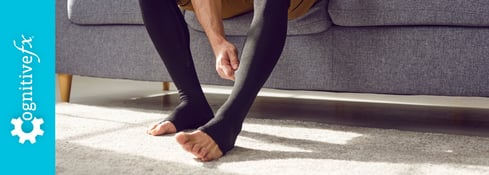
- Wearing compression garments on the lower body and abdomen
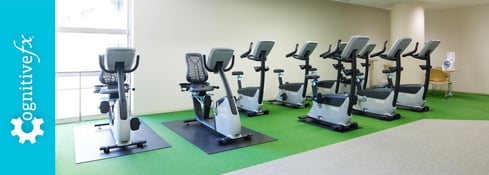
- Starting recumbent exercise (swimming, recumbent cycling) before progressing to upright activities
- Eating smaller, more frequent meals and avoiding large carbohydrate-heavy foods
- Avoiding triggers like prolonged standing, heat exposure, and alcohol
Medications such as beta-blockers or ivabradine may be prescribed to control heart rate. The NIH RECOVER-AUTONOMIC trial is currently testing additional treatments including IVIG for Long COVID POTS patients.
Addressing Neuroinflammation and Brain Function
For patients whose dizziness stems from disrupted brain function, treatment must go beyond the vestibular system alone. Therapies that address neurovascular coupling dysfunction can help restore normal blood flow regulation in the brain.
This often requires a multidisciplinary approach combining aerobic exercise (which promotes healthy brain blood flow), cognitive therapy, vision therapy, and vestibular rehabilitation working together. Exercise is particularly important because it has been shown to promote BDNF release and support brain recovery, but it must be carefully paced to avoid triggering post-exertional malaise.
When Standard Treatments Are Not Enough
Many Long COVID patients try vestibular physical therapy and symptom management for months without significant improvement. When conventional approaches plateau, intensive treatment programs offer a different path.
The Intensive Treatment Approach
Rather than spreading therapy over months of weekly sessions, intensive programs deliver concentrated treatment over one to two weeks. This approach accelerates neuroplasticity, the brain's ability to form new neural connections and adapt.
An intensive program typically includes multiple hours of therapy daily, with sessions in aerobic exercise, vestibular rehabilitation, vision therapy, cognitive therapy, and other modalities tailored to each patient's specific needs. The combination of therapies working together creates results that isolated weekly sessions often cannot achieve.
Targeted Treatment Through Brain Imaging
Treatment works best when it targets the specific brain regions that are not functioning properly. Without objective data about where dysfunction exists, therapy becomes guesswork.
Functional brain imaging before treatment identifies which areas need attention. Therapy can then focus precisely on those regions. Post-treatment imaging confirms improvement and guides any additional interventions needed.
At Cognitive FX, we use our proprietary fNCI (functional NeuroCognitive Imaging) technology to map brain function before and after treatment. This approach has helped our team treat over 1,000 patients annually with Long COVID and post-concussion symptoms, achieving measurable improvement in more than 90% of cases.
Our EPIC Treatment program combines advanced brain imaging with intensive multidisciplinary therapy to help Long COVID patients recover faster.
As the Official Second Opinion Provider for the NFLPA, we bring NFL-level brain injury expertise to every patient.
Long COVID dizziness rarely comes from a single broken system. The vestibular signal, the autonomic response, the breathing pattern, and the brain regions that pull all of that together are usually affected at once — which is why treating one piece at a time so often stalls out.
EPIC Treatment was built for exactly this kind of overlapping dysfunction.
The program is a one-week intensive program in Provo, Utah. It runs Monday through Friday, roughly six to nine hours a day, and combines multiple therapies that would normally be scheduled weeks apart into a single concentrated block. That density is deliberate: neuroplastic change happens fastest when the brain is pushed repeatedly, with structured recovery, over a short window.
Starting with a picture of what's actually wrong
Every EPIC week begins with an fNCI brain scan — a specialized fMRI that measures blood flow across brain regions while the patient performs cognitive tasks. Standard MRI shows structure. fNCI shows function. For a Long COVID patient whose imaging has always come back "normal," this is often the first objective evidence that something specific is happening in specific places. The scan identifies which regions are hyperactive, which are hypoactive, and how the networks connecting them are misfiring.
That map becomes the treatment plan. Rather than working through a generic vestibular protocol and hoping the right areas get engaged, the therapy team knows precisely which circuits to target on day one.
A team, not a single therapist
Because Long COVID dizziness involves the vestibular system, the autonomic system, vision-balance integration, and neurovascular regulation all at once, EPIC pulls in 14 doctors, therapists, and technicians who rotate through each patient's schedule.
A typical day includes neuromuscular therapy for breathing, balance, and cerebral blood flow; occupational therapy for the eye movements and visual-vestibular integration that dizziness disrupts; cognitive therapy for the memory and attention issues that ride alongside the physical symptoms; neurointegration therapy connecting sight, balance, and movement; and sensory work designed to activate weaker brain regions while preventing the stronger ones from compensating.
Patients whose dizziness has a strong autonomic component may also work through elements of the dedicated POTS protocol — the same neuro-cardio training, vestibular recalibration, and CO₂-based recovery methods used with POTS patients.
Measuring the change
The week ends with a second fNCI scan. Rather than relying on the patient's report of how they feel — which is often unreliable when someone has spent months adapting to being unwell — the second scan compares directly against the first. Patients leave with a documented picture of what changed, and with a personalized at-home program built from what the therapy team observed during the week. The Patient Care team follows up periodically for months afterward.
Across all conditions treated, more than 90% of EPIC patients experience measurable improvement in brain function, with an average symptom reduction of roughly 60% by the end of the treatment week. Most patients continue to improve over the following months as the at-home program compounds.
Who EPIC is right for
EPIC is designed for patients whose symptoms have persisted six months or longer without meaningful improvement, or who are getting worse rather than better. If you've completed vestibular rehabilitation, tried the standard POTS interventions, and still cannot trust your balance or your body's response to standing, this is the point at which a concentrated, imaging-guided approach becomes worth considering. Patients travel to Provo from across the United States and internationally; the clinic partners with a nearby hotel that offers exclusive rates and shuttle service.
If Long COVID dizziness has kept you from working, driving, or moving through a normal day for six months or more, EPIC Treatment may be a fit. Start with a free consultation with one of our practitioners, or take our Good Fit Quiz to see whether treatment is right for you.
Red Flags: When to Seek Immediate Medical Attention
While most Long COVID dizziness is not dangerous, certain symptoms require urgent evaluation:
- Sudden severe vertigo with hearing loss (may indicate stroke or sudden inner ear damage)
- Dizziness accompanied by slurred speech, facial drooping, or weakness on one side of the body
- Severe headache with dizziness (worst headache of your life)
- Recurrent fainting episodes
- Dizziness with chest pain or shortness of breath
- New dizziness after a recent head injury
If you experience any of these symptoms, seek emergency medical care immediately.
Living with Long COVID Dizziness While Pursuing Treatment
Recovery takes time. These strategies can help you manage symptoms and maintain quality of life during the process.
Pace your activities. Post-exertional symptom worsening is common in Long COVID. Track your activity levels and symptoms to identify your limits. Rest before you crash, not after.
Modify your environment. Reduce visual clutter in your home. Use nightlights to prevent falls. Remove trip hazards like loose rugs. Consider a shower chair if standing in the shower triggers symptoms.
Communicate with your employer. Many patients benefit from workplace accommodations such as the ability to sit during tasks, taking breaks, or working from home on high-symptom days.
Address mental health. Chronic dizziness is exhausting and isolating. Anxiety can worsen vestibular symptoms, creating a vicious cycle. Working with a therapist who understands chronic illness can help.
Stay connected. Long COVID support groups, both online and in-person, provide valuable community and practical tips from others navigating similar challenges.
Frequently Asked Questions About Long COVID Dizziness
Why does Long COVID cause dizziness?
Long COVID causes dizziness through multiple mechanisms: direct viral damage to the inner ear vestibular system, autonomic nervous system dysfunction (POTS), neuroinflammation disrupting brain function, and microvascular damage affecting blood flow. Most patients have more than one contributing factor.
How long does dizziness last after COVID?
Duration varies widely. Some patients recover within weeks, while others experience symptoms for months or years. Research shows average symptom duration of approximately 10 months, with about 43% of patients still symptomatic at one to two years. Treatment significantly improves outcomes and speeds recovery.
Can COVID damage your inner ear permanently?
COVID-19 can damage inner ear structures, but permanent damage is uncommon. Most acute vestibular damage from COVID is transient. The brain can also compensate for vestibular damage through neuroplasticity, especially with proper rehabilitation. Early treatment improves long-term outcomes.
Is dizziness a common symptom of Long COVID?
Yes. Studies show between 37-60% of long COVID patients experience dizziness or vertigo. It’s one of the most frequently reported neurological symptoms, alongside brain fog and fatigue.
What is the connection between Long COVID and POTS?
POTS (Postural Orthostatic Tachycardia Syndrome) frequently develops after COVID-19 infection and up to 79% of Long COVID patients meet diagnostic criteria for POTS or orthostatic intolerance. The virus appears to damage autonomic nerves or trigger autoimmune responses that impair autonomic function.
When should I see a doctor for COVID dizziness?
Seek evaluation if dizziness persists more than four weeks after COVID infection, if symptoms are severe enough to affect daily activities, if you experience frequent near-fainting or actual fainting, or if symptoms are progressively worsening rather than improving.
Taking the Next Step Toward Recovery
Long COVID dizziness is real, it is common, and it is treatable. The path to recovery starts with understanding what is causing your symptoms and finding providers who specialize in treating the neurological effects of COVID-19.
If you have been struggling with dizziness, brain fog, fatigue, or other Long COVID symptoms for months without improvement, specialized care can help. Our team at Cognitive FX combines advanced brain imaging technology with intensive, multidisciplinary treatment to help patients recover faster than traditional approaches allow.
We have successfully treated patients from across the United States and around the world. Our outcomes data shows that over 90% of patients experience measurable improvement in brain function and symptoms after completing our EPIC Treatment program.
Ready to Get Your Life Back?
You do not have to live with chronic dizziness. Our team has helped thousands of patients recover from Long COVID and other brain-related conditions.
What to expect:
- Free initial consultation to discuss your symptoms and determine if you are a candidate for treatment
- Advanced fNCI brain imaging to identify exactly which brain regions are affected
- Customized one-week intensive treatment targeting your specific dysfunction
- Measurable results with post-treatment brain imaging to confirm improvement
"After months of dizziness and brain fog that kept me from working, I completed EPIC Treatment and felt like myself again. The brain imaging showed exactly what was wrong and the treatment targeted those areas. I wish I had found Cognitive FX sooner."
— Long COVID Patient
Further Reading
- Yes, Long COVID Can Cause POTS and Dysautonomia: A deeper look at the autonomic side of Long COVID: why standing up sends your heart racing, why lightheadedness clusters with brain fog and fatigue, and what actually resolves it. Worth reading if the dizziness described here felt more like near-fainting than spinning.
- Post-COVID Brain Fog Treatment: Evidence-Based Options That Actually Work: Dizziness rarely travels alone. This piece covers the cognitive symptoms that usually accompany it, the word-finding problems, the mental fatigue, the sense of thinking through mud, and walks through what the latest research shows about why COVID affects the brain this way.
- Yes, COVID Affects the Nervous System (& What to Do About It): Explains the mechanisms behind Long COVID's neurological symptoms: how the virus disrupts the autonomic nervous system, why so many patients develop orthostatic issues, and what that means for treatment choices.
- How We Found a Viable Treatment for COVID-19 Long-Haulers: The origin story of how Cognitive FX's brain injury protocol turned out to work for Long COVID patients, told through the patient case that first revealed the overlap. Useful context for anyone weighing whether an approach designed for concussion patients could work for a viral condition.
- Post-Concussion Syndrome Treatment: Therapy & Medications: Long COVID and post-concussion syndrome share a great deal of underlying brain dysfunction, which is why the same treatment framework works for both. This is the most complete overview of how that framework is structured and what it actually involves day to day.
References
- Degen CV, Mikuteit M, Niewolik J, et al. Self-reported tinnitus and vertigo or dizziness in a cohort of adult Long COVID patients. Frontiers in Neurology. 2022;13:884002. doi:10.3389/fneur.2022.884002 . https://www.frontiersin.org/articles/10.3389/fneur.2022.884002/full
- Jeong M, Ocwieja KE, Han D, et al. Direct SARS-CoV-2 infection of the human inner ear may underlie COVID-19-associated audiovestibular dysfunction. Communications Medicine. 2021;1:44. doi:10.1038/s43856-021-00044-w. https://www.nature.com/articles/s43856-021-00044-w
- Lee L, French E, Coelho DH, Manzoor NF; on behalf of the N3C Consortium. Increased incidence of vestibular disorders in patients with SARS-CoV-2. Otology & Neurotology Open. 2024;4(2):e051. doi:10.1097/ONO.0000000000000051. https://journals.lww.com/onojournal/fulltext/2024/06000/increased_incidence_of_vestibular_disorders_in.1.aspx
- Seeley MC, Gallagher C, Ong E, et al. High incidence of autonomic dysfunction and postural orthostatic tachycardia syndrome in patients with Long COVID: implications for management and health care planning. American Journal of Medicine. 2025;138(2):354-361.e1. doi:10.1016/j.amjmed.2023.06.010. https://pubmed.ncbi.nlm.nih.gov/37391116/
- Blitshteyn S, Whitelaw S. Postural orthostatic tachycardia syndrome (POTS) and other autonomic disorders after COVID-19 infection: a case series of 20 patients. Immunologic Research. 2021;69(2):205-211. doi:10.1007/s12026-021-09185-5. https://link.springer.com/article/10.1007/s12026-021-09185-5
- Visser D, Golla SSV, Palard-Novello X, et al. Varying levels of inflammatory activity in brain and body of patients with persistent fatigue and difficulty concentrating after COVID-19: a TSPO PET study. Journal of Nuclear Medicine. 2025;66(11):1787-1794. doi:10.2967/jnumed.124.269297. https://pubmed.ncbi.nlm.nih.gov/40935606/
- Hilton MP, Pinder DK. The Epley (canalith repositioning) manoeuvre for benign paroxysmal positional vertigo. Cochrane Database of Systematic Reviews. 2014;(12):CD003162. doi:10.1002/14651858.CD003162.pub3. https://www.cochranelibrary.com/cdsr/doi/10.1002/14651858.CD003162.pub3/full
- Staab JP, Eckhardt-Henn A, Horii A, et al. Diagnostic criteria for persistent postural-perceptual dizziness (PPPD): consensus document of the Committee for the Classification of Vestibular Disorders of the Bárány Society. Journal of Vestibular Research. 2017;27(4):191-208. doi:10.3233/VES-170622. https://pubmed.ncbi.nlm.nih.gov/29036855/
- Berlot AA, Moskowitz HS, Lin J, et al. Acute and longer-term effects of COVID-19 on auditory and vestibular symptoms. Otology & Neurotology. 2023;44(10):1100-1105. doi:10.1097/MAO.0000000000004027. https://pubmed.ncbi.nlm.nih.gov/37758317/
- Sheldon RS, Grubb BP, Olshansky B, et al. 2015 Heart Rhythm Society expert consensus statement on the diagnosis and treatment of postural tachycardia syndrome, inappropriate sinus tachycardia, and vasovagal syncope. Heart Rhythm. 2015;12(6):e41-e63. doi:10.1016/j.hrthm.2015.03.029. https://www.heartrhythmjournal.com/article/S1547-5271(15)00328-8/fulltext
- Hall CD, Herdman SJ, Whitney SL, et al. Vestibular rehabilitation for peripheral vestibular hypofunction: an updated clinical practice guideline from the Academy of Neurologic Physical Therapy of the American Physical Therapy Association. Journal of Neurologic Physical Therapy. 2022;46(2):118-177. doi:10.1097/NPT.0000000000000382. https://pubmed.ncbi.nlm.nih.gov/34864777/
- Szuhany KL, Bugatti M, Otto MW. A meta-analytic review of the effects of exercise on brain-derived neurotrophic factor. Journal of Psychiatric Research. 2015;60:56-64. doi:10.1016/j.jpsychires.2014.10.003. https://pubmed.ncbi.nlm.nih.gov/25455510/
- Davis HE, McCorkell L, Vogel JM, Topol EJ. Long COVID: major findings, mechanisms and recommendations. Nature Reviews Microbiology. 2023;21(3):133-146. doi:10.1038/s41579-022-00846-2. https://pubmed.ncbi.nlm.nih.gov/36639608/
- Raj SR, Arnold AC, Barboi A, et al. Long-COVID postural tachycardia syndrome: an American Autonomic Society statement. Clinical Autonomic Research. 2021;31(3):365-368. doi:10.1007/s10286-021-00798-2. https://link.springer.com/article/10.1007/s10286-021-00798-2